
The rapid transition toward electric vehicles (EVs) fundamentally transforms automotive glazing engineering. Battery-electric platforms carry heavy floor-mounted battery packs weighing over 500 kilograms. This localized battery mass demands dramatically higher upper-body torsional rigidity to maintain handling precision and crash safety.
Simultaneously, EV manufacturers adopt chemically thinned acoustic laminates to offset battery weight, alongside 800V electrical architectures and integrated glass sensors. Installing standard aftermarket urethanes risks body squeaks, optical distortion, and electrical signal interference. Applying certified high modulus windshield adhesive guarantees vital structural stiffness and critical dielectric insulation.
Key Takeaways: EV Glazing & Electrical Safety Standards
- Structural Torsional Contribution: Electric vehicle windshields provide up to 35% of total cabin torsional stiffness, mandating certified high modulus windshield adhesive with shear modulus values above 2.0 MPa.
- Non-Conductive Isolation: Polyurethanes for EVs must exhibit volume resistivity above 1010 Ω·cm to protect integrated 5G antennas, heating filaments, and ADAS circuitry.
- Ultrathin Glass Protection: Low-shrinkage elastomeric adhesives cushion chemically thinned acoustic glass (sub-3.5 mm), preventing optical wave distortion.
- Galvanic Corrosion Prevention: Non-conductive formulations prevent electrolytic corrosion between bonded glass and lightweight aluminum body apertures.
EV Chassis Architecture: Why High Modulus Adhesives Are Mandatory
Modern electric vehicle skateboard chassis concentrate tremendous structural mass beneath the passenger cabin floor. While this design lowers the center of gravity, it generates severe torsional stress across the upper pillars during high-speed cornering and sudden dynamic maneuvers.
Internal combustion vehicles typically require body torsional rigidity ratings around 20,000 N·m/deg. High-performance electric vehicles target torsional rigidity exceeding 38,000 N·m/deg. The bonded windshield acts as a structural stressed shear panel spanning the A-pillars.
Shear Modulus Mechanics: Standard vs. High Modulus
Standard auto glass urethanes exhibit a shear modulus ($G$) between 0.8 and 1.1 MPa under DIN 54451 testing. In an EV chassis, this soft bondline allows microscopic chassis shear deflection. The resulting micro-movements induce interior cabin creaks and misalign sensitive forward-facing ADAS cameras.
In contrast, certified high modulus windshield adhesive provides a shear modulus between 2.0 and 2.5 MPa. This reinforced polymer matrix locks the A-pillar frame into a rigid box structure, directly enhancing vehicle handling dynamics while eliminating cabin vibration.
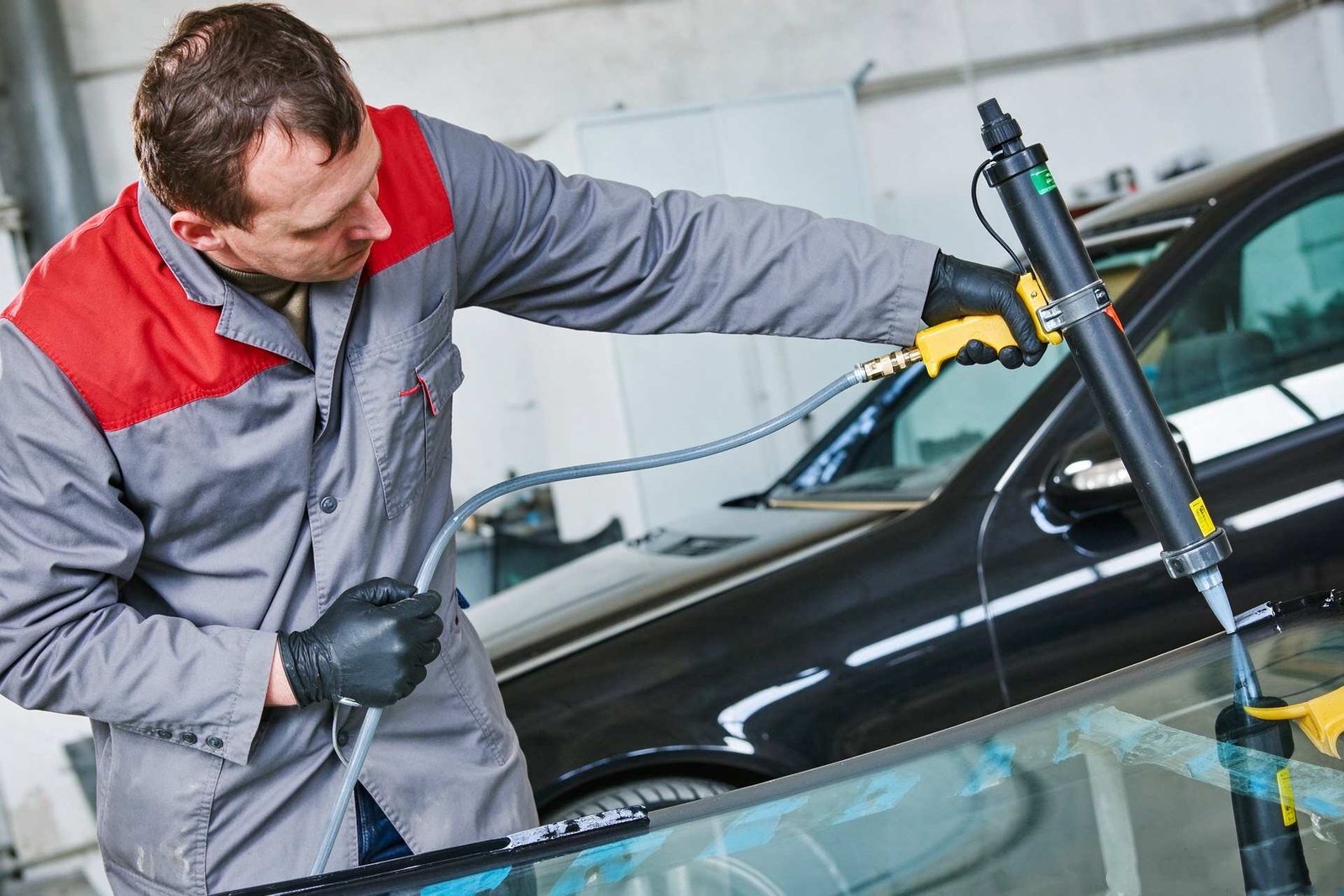
Figure 1: Extruding high-modulus direct glazing polyurethane onto an electric vehicle aperture to ensure structural torsional rigidity.
Electrical Impedance Red Lines: Non-Conductive (NC) Glazing Chemistry
Conventional automotive polyurethanes incorporate high concentrations of standard conductive carbon black. While carbon black provides essential mechanical reinforcement and UV absorption, it lowers electrical volume resistivity below 105 Ω·cm.
In advanced electric vehicles operating 400V to 800V powertrains, conductive adhesives introduce dangerous electrical hazards. Stray electromagnetic currents from rapid inverter switching can travel through conductive bondlines, disrupting vehicle control networks.
Protecting Integrated Smart Windshield Electronics
Modern EV windshields integrate capacitive defrosting conductors, transparent electrochromic dimming films, and printed 5G telematics antennas. A conductive adhesive bridge creates parasitic capacitance and micro-short circuits across glass boundaries, degrading antenna reception.
Automotive OEMs mandate non-conductive urethanes engineered with high-purity dielectric fillers. Achieving volume resistivity exceeding 1010 Ω·cm under ASTM D257 ensures complete galvanic isolation between sensitive glass electronics and the vehicle chassis.
Preventing Galvanic Corrosion on Aluminum Pinchwelds
EV weight reduction strategies frequently employ aluminum alloy stampings or carbon fiber composite A-pillars. Placing a conductive carbon-black adhesive in contact with aluminum creates an active electrochemical galvanic cell in the presence of road moisture.
This galvanic reaction rapidly corrodes aluminum pinchwelds, causing paint bubbling and adhesive joint delamination. Applying non-conductive direct glazing polyurethane acts as an impenetrable dielectric barrier, completely preventing electrolytic metal oxidation.
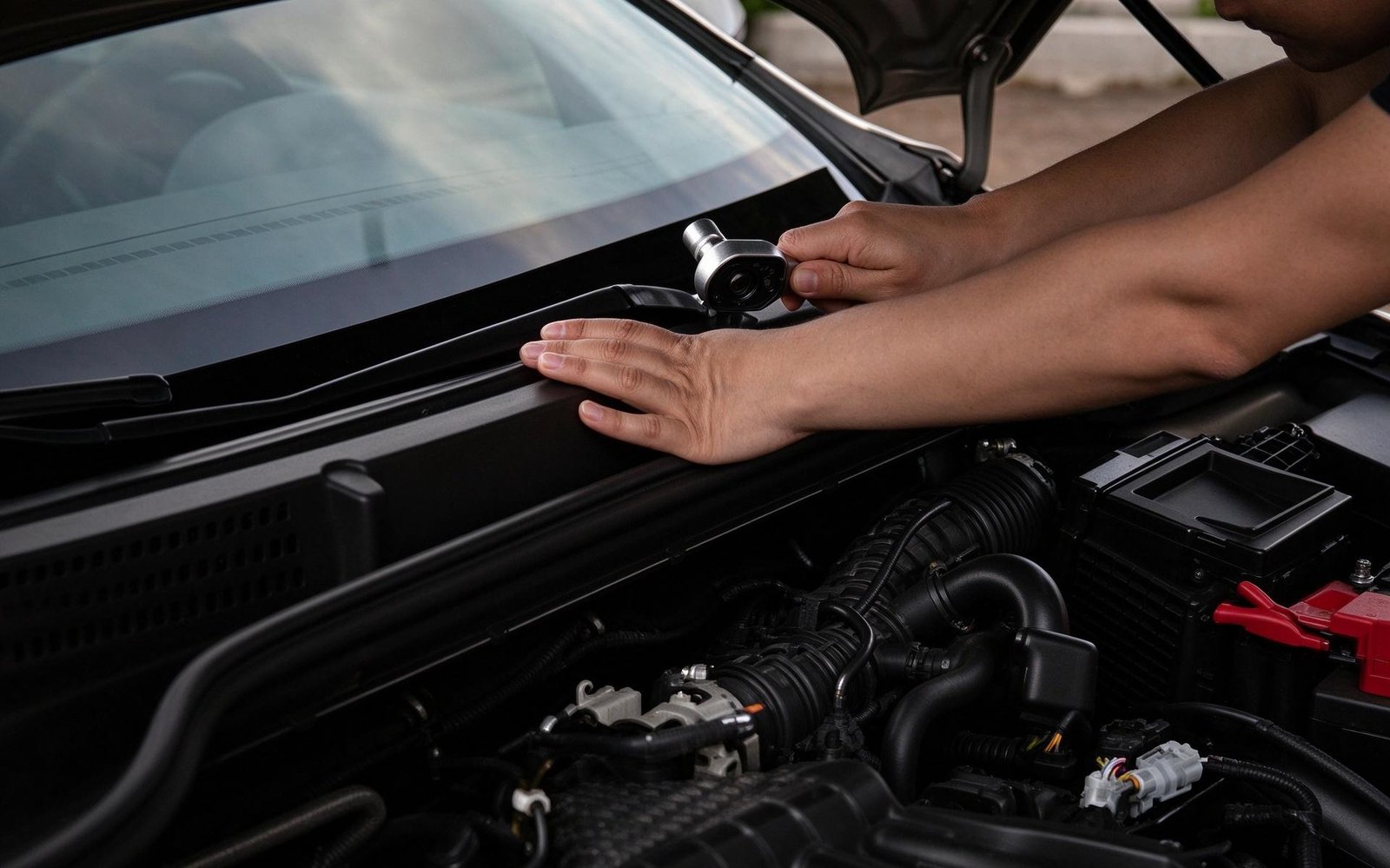
Figure 2: Precision mounting of ADAS camera brackets and integrated sensor hardware on EV acoustic laminated glass.
Ultrathin Glass Bonding: Eliminating Optical Wave Distortion & NVH
Every 100 kilograms trimmed from an electric vehicle body extends battery driving range by roughly 2 to 3 percent. To maximize aerodynamic range, automakers are replacing standard 4.8 mm windshields with 3.2 mm or 2.8 mm chemically strengthened hybrid laminates.
While ultrathin glass reduces curb weight by up to 30 percent, it exhibits significantly lower flexural stiffness. Adhesive formulations with aggressive volumetric cure shrinkage exert localized pulling forces along the glass perimeter.
Controlled Shrinkage and Optical Wave Planarity
Shrinkage stress along thinned glass edges creates optical focal depressions known as optical wave distortion. Drivers experience dizzying visual warping, and head-up display (HUD) projections become blurred.
ChemPU EV-grade high modulus windshield adhesive features controlled low-shrinkage polymer backbones. By pairing high shear modulus with linear elastic cure kinetics, the adhesive maintains planar glass stability without transferring shrinkage stress into fragile outer glass plies.
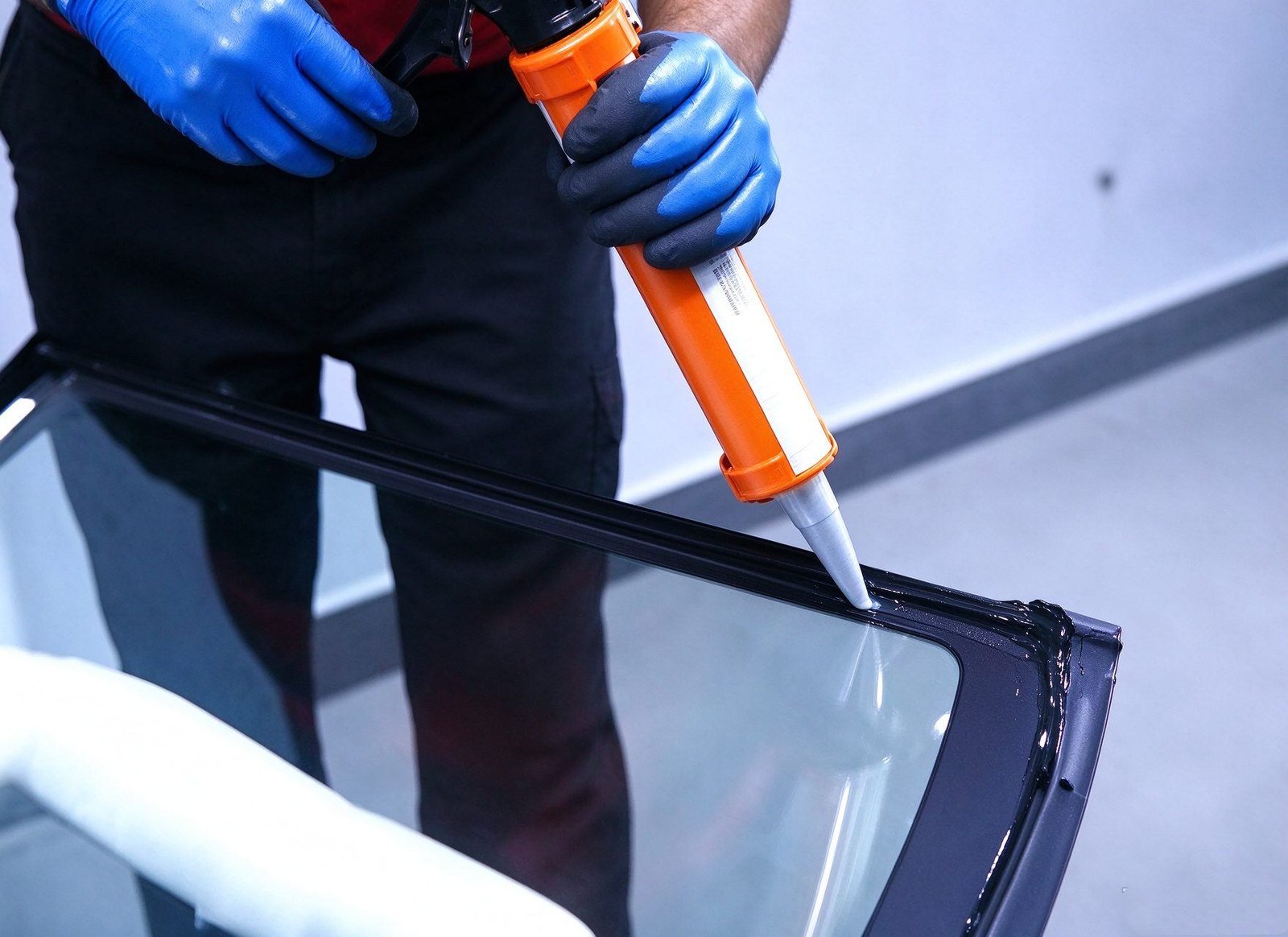
Figure 3: Controlled triangular bead extrusion provides calibrated deck height and dielectric isolation across vehicle pinchwelds.
Technical Specification Benchmark: Standard PU vs. EV High Modulus NC
The technical matrix below outlines the critical mechanical, electrical, and compatibility criteria distinguishing standard auto urethanes from advanced EV direct glazing formulations.
| Property / Metric | Standard Aftermarket PU | High Modulus PU (ICE) | EV-Certified HMNC Urethane |
|---|---|---|---|
| Shear Modulus (G) | 0.8 – 1.1 MPa (Standard) | > 2.0 MPa (Rigid) | 2.2 – 2.5 MPa (Optimized) |
| Volume Resistivity | < 105 Ω·cm (Conductive) | 106 – 108 Ω·cm | > 1010 Ω·cm (Non-Conductive) |
| Torsional Body Stiffness | Baseline (10 – 15%) | Enhanced (+25%) | Maximum (+35% Cabin Support) |
| Ultrathin Glass Safety | Risk of Edge Stress | Moderate Compliance | Zero Optical Distortion |
| Aluminum Galvanic Risk | High Galvanic Corrosion | Moderate Risk | Complete Dielectric Barrier |
| EV Smart Sensor Ready | Signal Interference | Partial Compatibility | 100% 5G & HUD Compatible |
Typical Application Scenario: Electric Fleet Glazing Overhaul
Luxury EV Sedan Panoramic Windshield Replacement Program
Workshop Profile: An electric vehicle certified collision network managing glass replacements for a fleet of 350 executive rideshare sedans featuring aluminum chassis and integrated HUD projections.
Operational Dilemma: Earlier installations utilizing standard aftermarket urethanes led to customer complaints regarding crackling noises during speed bump transit and degraded 5G navigation signal strength. Post-repair camera scans revealed ADAS pitch calibration errors exceeding OEM tolerance thresholds.
Engineering Intervention: Fleet supervisors standardized on ChemPU high modulus windshield adhesive featuring certified non-conductive volume resistivity (> 1010 Ω·cm) and zero-sag thixotropy. Strict 8 mm calibrated triangular nozzle profiles ensured precise deck height without bead pooling.
Validation Results: Post-installation chassis shake tests demonstrated 100% quiet cabin performance. Digital multimeters confirmed zero leakage current across integrated heating traces, and all forward ADAS stereo cameras achieved instant dynamic calibration on first-pass road testing.
Frequently Asked Questions: EV Windshield Adhesives
Can standard automotive polyurethane be safely used on electric vehicles?
No. Standard urethanes lack the high shear modulus required to support heavy EV chassis torsional rigidity. Furthermore, conductive carbon black in standard urethanes causes antenna signal disruption, risks high-voltage leakage, and accelerates galvanic corrosion on aluminum pinchwelds. Always use high modulus, non-conductive formulations.
What makes an adhesive non-conductive for automotive glass?
An adhesive is certified non-conductive when its volume resistivity exceeds 1010 Ω·cm under ASTM D257. Chemical manufacturers achieve this by replacing standard conductive carbon black with specialized dielectric carbon and mineral fillers that do not conduct electrical current.
How does high-modulus polyurethane impact forward ADAS camera calibration?
Forward-facing ADAS cameras rely on precise windshield rake angles. High-modulus polyurethanes provide rapid green strength and zero vertical sag, locking the glass at exact OEM deck height. This dimensional stability prevents optical pitch shift and guarantees accurate camera calibration.
Technical Review by ChemPU EV Glazing & Polymer Engineering Team
Authored by Senior Application Engineers specializing in high-modulus polyurethane synthesis, dielectric impedance safety, and lightweight electric vehicle direct glazing. Certified under ISO 9001 and IATF 16949 standards.
Source Certified OEM Direct Glazing Polyurethane Adhesives
Partner with ChemPU, an ISO 9001 and IATF 16949 certified Chinese manufacturer. We provide high-modulus, non-conductive polyurethane direct glazing adhesives specifically engineered for electric vehicle platforms, thinned acoustic glass, and aluminum chassis architectures.
Direct WhatsApp Technical Inquiry: +86 15216655520

