
Automotive workshops frequently encounter vehicle owners attempting DIY repairs using clear silicone on leaking windshields. Clear silicone seals perimeter gaps temporarily, yet causes catastrophic failures when applied to structural glass apertures. Technicians debate the physical difference between black polyurethane adhesives and clear room-temperature vulcanizing (RTV) sealants. Selecting an improper sealant compromises passenger cabin crash resistance and creates severe water damage.
Modern vehicles require a structural black windshield sealant to bind laminated float glass directly to coated steel pinchwelds. Substituting clear silicone or cosmetic sealants creates major safety hazards under highway driving conditions. Clear polymers lack essential carbon black additives, exposing bond lines to rapid solar ultraviolet degradation.
This technical guide compares black polyurethane sealants against clear silicone and elastomeric compounds. We examine photolytic degradation chemistry, lap shear tensile differentials, and shop repair protocols. Fleet operators and auto glass installers will gain actionable criteria to select correct sealants for automotive glass assemblies.
Executive Summary: Key Takeaways for Auto Glass Technicians & Fleet Engineers
- Carbon Black UV Shielding: True windshield sealant black formulations incorporate specialized carbon black, blocking 100% of destructive ultraviolet rays from breaking molecular polymer chains.
- Structural Lap Shear Capacity: Black direct-glazing polyurethane delivers 5.0 to 7.0 MPa lap shear strength; clear silicone provides less than 1.5 MPa, failing FMVSS 212 barrier crash retention standards.
- Cosmetic vs. Structural Demarcation: Clear sealants serve solely for static weatherproofing on non-structural quarter windows or sunroof trim channels, never as load-bearing structural adhesives.
- Paint Contamination Risk: Applying silicone near automotive glass releases airborne siloxane oils that permanently contaminate paint booths, causing paint fisheye defects on nearby panels.
The Chemistry of Color: Why Structural Windshield Adhesives Are Always Black
Black windshield sealant owes its coloration to reinforcing carbon black pigments. This compound serves as an impermeable barrier against ultraviolet radiation, preventing catastrophic photo-oxidative degradation at the glass bond interface.
Solar UV Penetration and Photo-Oxidative Degradation
Solar radiation contains high-energy ultraviolet photons in the UV-A and UV-B spectrum. Glass transmits substantial ultraviolet energy directly into the underlying adhesive bed. Clear polymers permit light transmission through the entire sealant bead thickness.
Unprotected polymer bonds absorb photon energy, triggering free radical chain reactions that break urethane and siloxane linkages. The material chalks, hardens, and shrinks away from the glass surface. Using a certified black windshield sealer prevents photo-oxidation by absorbing UV energy and converting it harmlessly into thermal dissipation.
Masking and Reinforcing the Ceramic Frit Band
Automotive glass manufacturers bake a black ceramic enamel band, known as the frit, along windshield borders. The frit provides rough surface micro-texture to assist mechanical adhesive interlocking. Ceramic enamel contains microscopic pores that transmit scattered ambient light over vehicle lifespans.
High-density carbon black within structural black sealant glue creates an optical shield behind the frit band. The opaque black color conceals irregular bead compressions, wiring harnesses, and pinchweld weld marks, presenting clean vehicle exterior aesthetics.
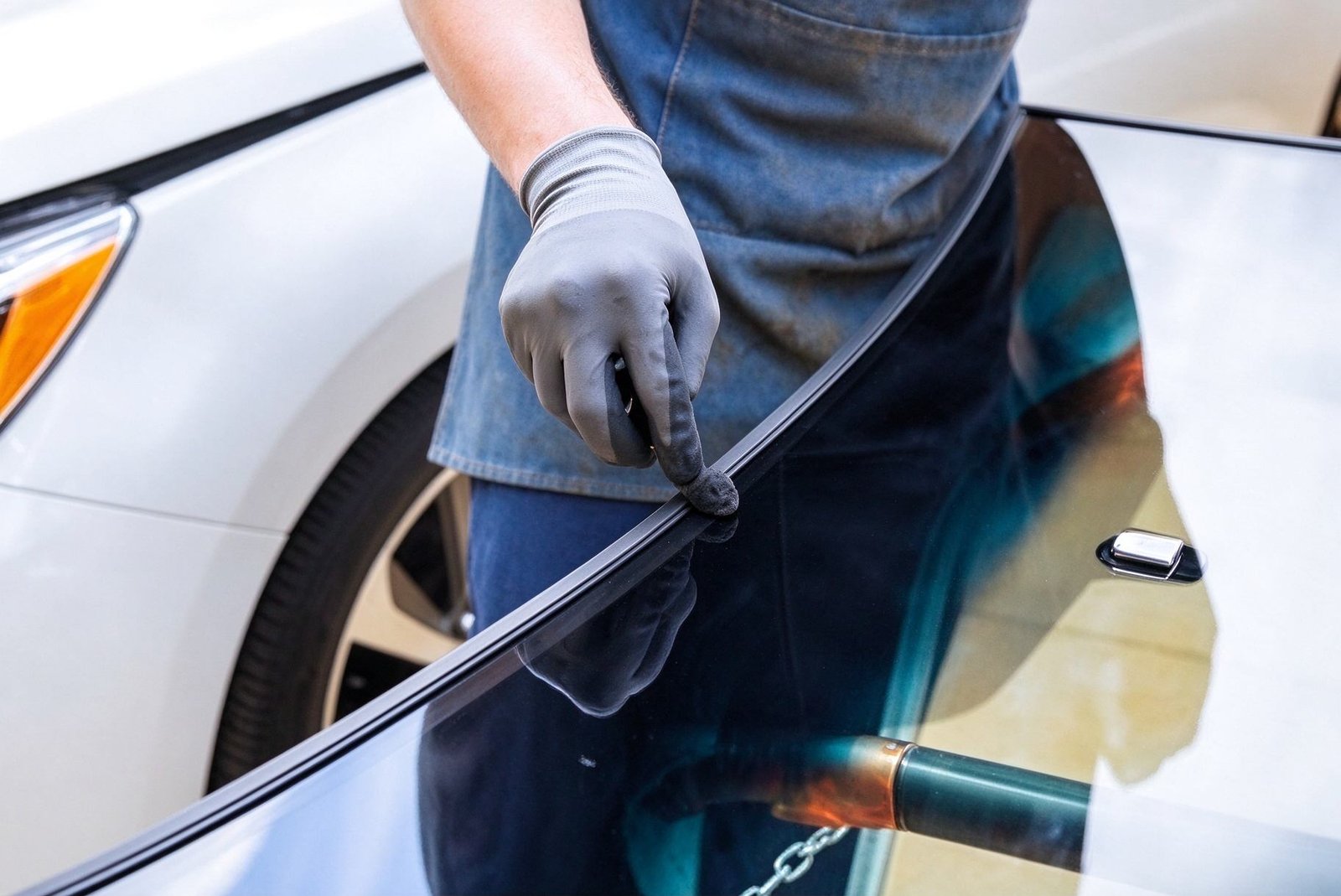
Structural Bonding vs. Cosmetic Sealing: Mechanical Performance Compared
Automotive engineers draw a rigid boundary between structural adhesives and non-structural gap sealants. Clear sealants serve decorative, gap-filling functions, whereas black polyurethanes perform primary vehicle load-bearing duties.
| Property Metric | Black Polyurethane (Structural) | Black Silicone (Automotive) | Clear Silicone (General Purpose) |
|---|---|---|---|
| Tensile Lap Shear Strength | 5.0 to 7.5 MPa | 1.2 to 2.0 MPa | 0.8 to 1.3 MPa |
| Shore A Hardness | 55 to 65 | 30 to 40 | 20 to 28 |
| FMVSS 212 Crash Compliance | Fully Certified | Fails Test Standards | Fails Test Standards |
| Automotive Paintability | Paintable with primers | Non-paintable | Non-paintable |
| Primary Application | Windshield & Rear Glass | Engine Gaskets & Trim | Cosmetic Seam Sealing |
Airbag Backboard Reaction Forces
Passenger-side airbag systems deploy upward from vehicle dashboards at speeds exceeding 300 km/h. The deploying airbag strikes the inner glass surface, using the windshield as a rigid mechanical reaction backboard to cushion occupants.
Clear sealants exhibit low shear modulus, tearing cohesively under violent impact loads. A certified windshield and glass sealant made from high-modulus polyurethane provides the required rigidity, preventing glass blow-out during front crashes.
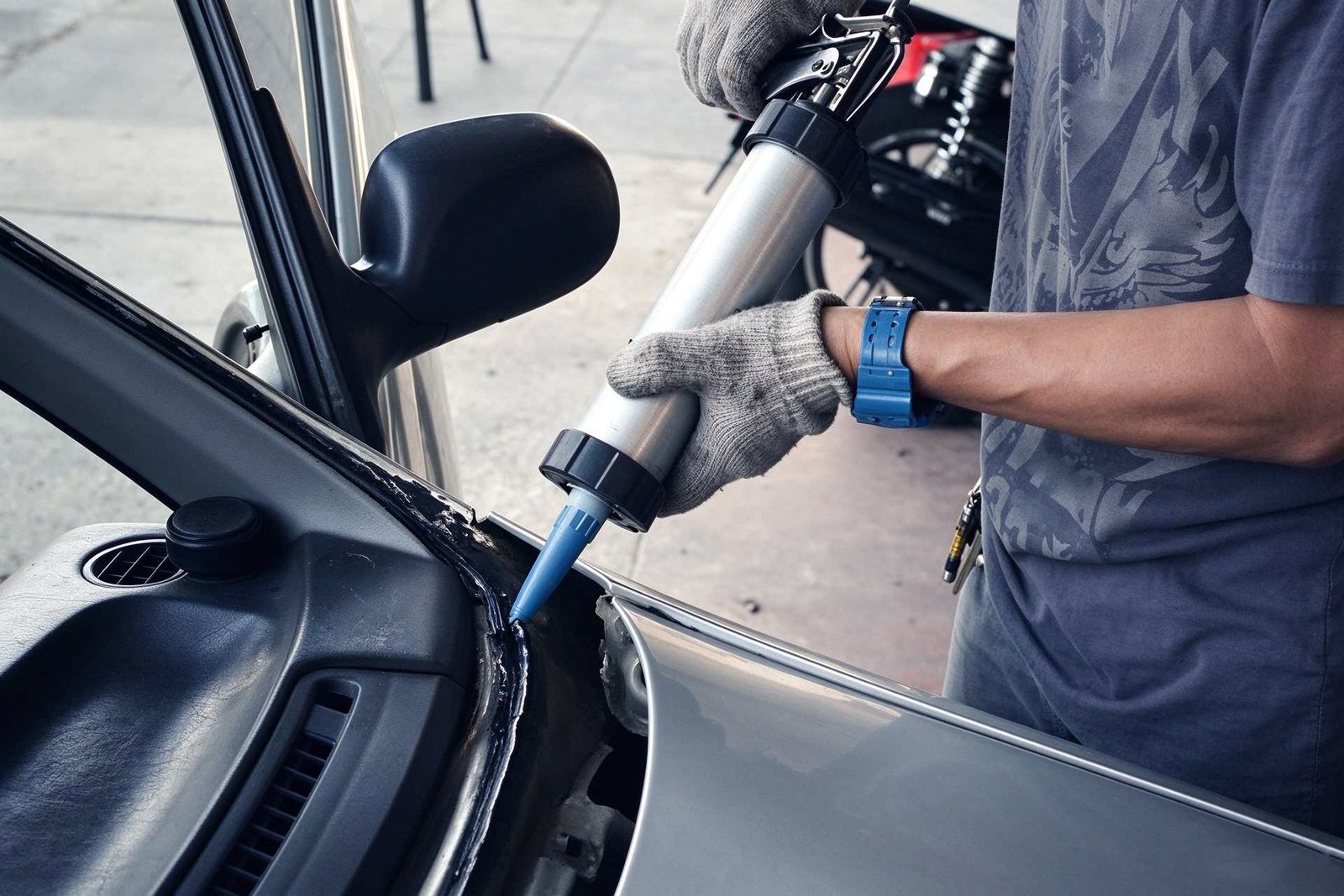
Application Guidelines: When to Use Black Sealant vs. Clear Sealants
Selecting between black and clear products depends entirely on vehicle component structural classification. Auto glass shops must enforce strict application criteria across technicians.
Mandatory Scenarios for Black Polyurethane Sealants
- Front Laminated Windshields: All passenger, commercial, and heavy-duty front windshield installations require structural black polyurethane.
- Rear Heated Backlites: Structural black adhesives resist tailgate slamming vibrations and withstand defroster electrical heating cycles.
- Monolithic Side Glass on Modern Vans: Direct-glazed commercial van side windows integrate with unibody structural walls.
Permissible Scenarios for Clear Sealants and Silicones
Clear sealants provide practical value in secondary, non-load-bearing vehicle positions. Technicians utilize clear silicone for water-proofing exterior plastic tail-lamp lens assemblies against rain intrusion.
Specialized low-viscosity flowable silicone acts as an effective capillary gap repairer. It wicks into non-structural rubber window moulding channels, curing to seal cosmetic pinhole water leaks without windshield removal.
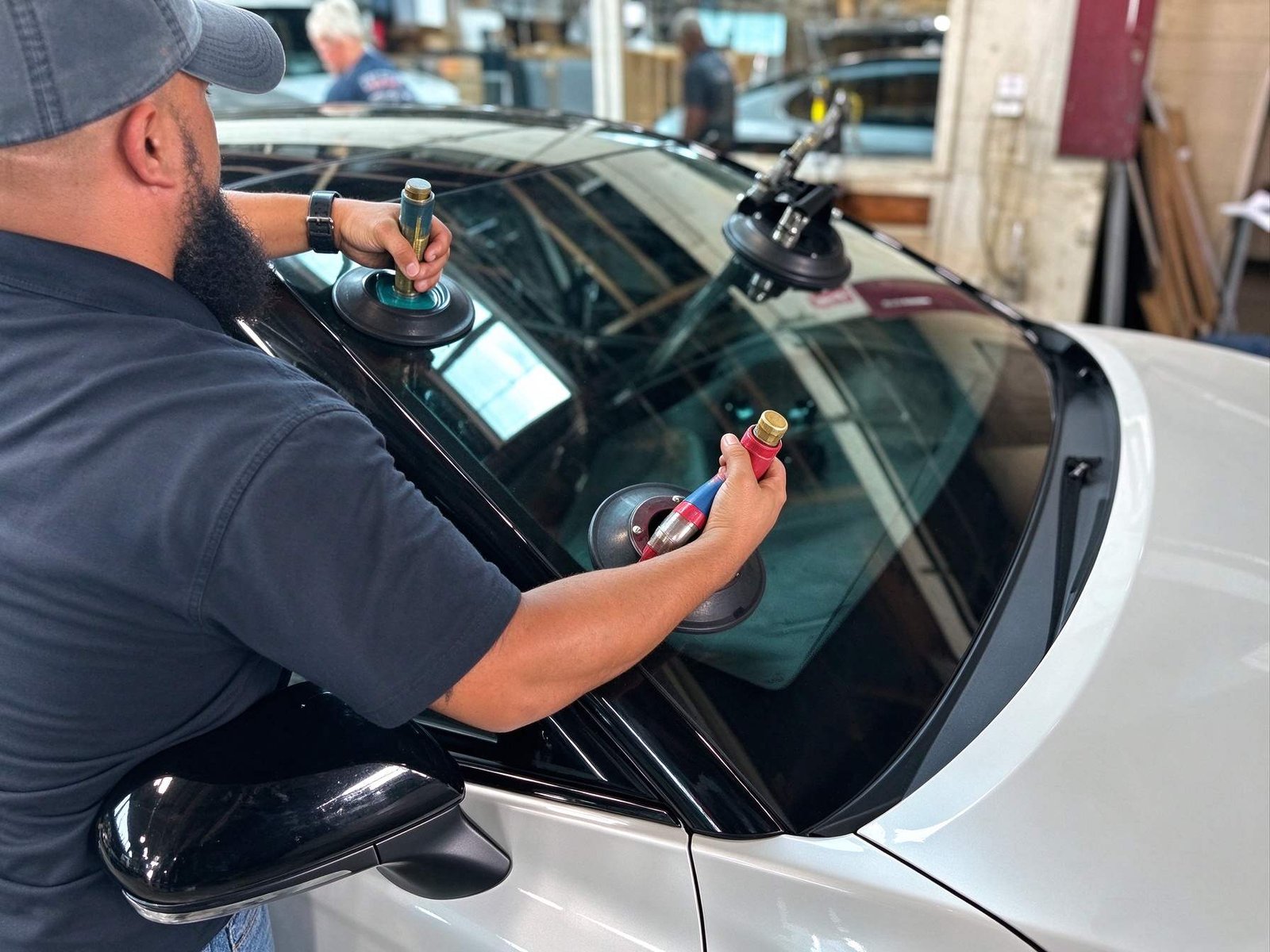
Typical Application Scenarios: Field Troubleshooting and Restoration
Real-world fleet maintenance environments reveal distinct challenges when remedying water leaks or replacing damaged glazing assemblies.
Scenario A: Emergency Fleet Van Water Leak Remediation
A delivery fleet van reported moisture dripping from the top interior A-pillar trim during heavy rain storms. Technicians traced the leak to an isolated 10 mm void in the upper perimeter urethane bead.
Instead of injecting clear household silicone, the repair team removed loose exterior trim and degreased the localized area. Applying a compatible black silicone sealant car repair compound provided an elastic exterior seal without contaminating the primary polyurethane load path.
Scenario B: Vintage Vehicle Glass Restoration with Rubber Channels
Vintage classic vehicles utilize wrapped EPDM rubber gaskets without direct-glazing pinchwelds. Owners frequently ask whether clear silicone or black adhesive should fill rubber gasket channels.
Engineers advise against rigid structural polyurethane inside flexible rubber weatherstrips. Technicians apply a non-drying car black silicone sealant or butyl bedding compound, allowing independent expansion between glass, rubber, and vintage sheet metal.
Standard Operating Procedure: Correct Surface Preparation for Black Sealants
Executing a flawless direct-glazing installation requires disciplined adherence to chemical surface preparation protocols. Skipping preparatory steps causes adhesive failure regardless of product quality.
Step 1: Thorough Degreasing and Solvent Cleaning
Clean the windshield bonding perimeter using an approved isopropanol solvent. Utilize the two-cloth method: wipe forward with a solvent-wetted lint-free cloth, followed immediately by a clean dry towel before solvent flashes off.
Step 2: Black Glass Primer Application
Shake the primer bottle vigorously for 30 seconds. Apply a uniform, continuous film along the ceramic frit perimeter using a single-use felt applicator. Allow 10 minutes of flash-off time until the liquid dries to a matte, non-reflective finish.
Step 3: Triangular Bead Dispensing and Setting
Cut the plastic dispensing nozzle to form a triangular V-notch profile measuring 10 mm wide by 13 mm high. Dispense windshield glass sealant perpendicular to the glass flange. Mate the glass into the aperture within open working time, applying uniform compression.
Engineer’s Technical Trade-Offs: Material Limitations of Black vs. Clear Sealants
Selecting adhesive chemistry involves balancing structural safety, cure mechanics, and operational shop conditions. Engineers must weigh these practical boundaries objectively.
- Extrusion Force Requirements: High-modulus black polyurethanes possess dense polymer pastes. Manual caulking guns cause technician fatigue; shops require high-ratio pneumatic or battery-powered tools.
- Aesthetic Inflexibility: Black polyurethane leaves permanent dark marks on vehicle interiors if misapplied. Technicians cannot wipe uncured urethane cleanly without specialized solvent cleaners.
- Chemical Incompatibility: Clear silicone cannot bond over cured polyurethane residues. Mixing these chemistries prevents cross-linking, causing irreversible adhesion release along pinchwelds.
- Moisture Sensitivity: Black polyurethanes require atmospheric moisture to cross-link. Curing stalls in arid environments below 20% relative humidity, requiring controlled indoor shop climates.
Frequently Asked Questions: Black vs. Clear Automotive Sealants
Can vehicle owners use clear silicone to fix a leaking windshield temporarily?
Vehicle owners should avoid using clear silicone caulk on windshield leaks. Silicone oils penetrate pinchweld surfaces and cross-contaminate surrounding paint and metal. When professional auto glass technicians subsequently reinstall replacement glass, residual silicone prevents fresh polyurethane from bonding, causing permanent water leaks and structural detachment risks.
Why is carbon black specifically added to automotive windshield polyurethane?
Carbon black acts as an active reinforcing filler and permanent ultraviolet absorber. It increases adhesive tensile strength, provides sag resistance on vertical pinchweld pillars, and blocks solar ultraviolet radiation from reaching molecular polymer chains, preventing adhesive hardening and bond release over decades of vehicle operation.
Is black silicone sealant suitable for automotive quarter glass windows?
Black silicone sealant suits static cosmetic glass installations, such as bolt-in rear quarter windows or perimeter weatherstrip sealing. Any stationary glass bonded directly to vehicle unibody pinchwelds requires structural polyurethane adhesive to satisfy roof crush and occupant crash protection regulations.
Engineering Summary: Choosing the Correct Automotive Glass Sealant
Automotive glazing demands rigorous chemical differentiation. Specifying certified black windshield sealant guarantees passenger cabin structural integrity, UV durability, and crash test compliance. Reserving clear sealants strictly for cosmetic exterior fixtures prevents catastrophic field bonding failures across commercial vehicle fleets.
Authored by ChemPU Automotive Application Engineering Team
Specializing in OEM direct-glazing polyurethane formulation, crash-retention validation per FMVSS 212 standards, and high-performance structural elastomeric bonding solutions for global automotive manufacturers.
Quality Certification: ISO 9001 / IATF 16949 Certified Adhesive Manufacturing
Source High-Strength OEM Black Windshield Sealants
Partner with ChemPU, an ISO 9001 and IATF 16949 certified Chinese adhesive manufacturer. We provide high-modulus polyurethane black windshield adhesives, direct glazing cartridges, foil sausages, and custom OEM formulations for international distributors and fleet repair networks.
Direct WhatsApp Technical Inquiry: +86 137 7441 4434

