
Automotive glass replacement technicians frequently struggle with windshield trim installation. Dried, shrunken, or detaching perimeter gaskets create severe cabin wind noise, flap erratically at highway speeds, and collect corrosive road salt. When technicians execute a windshield rubber molding replacement, choosing between pre-formed OEM mouldings and universal roll profiles dictates installation efficiency.
Executing a proper windshield molding replacement requires understanding elastomeric adhesion chemistry. Non-polar EPDM rubber inherently resists standard polyurethane adhesives, demanding specialized adhesion promoters and pressure-sensitive acrylic tapes.
This standard engineering guide delivers an exhaustive technical comparison between universal undercut mouldings and factory OEM reveal trim assemblies. We detail EPDM surface activation methods, corner stretching limits, and flush aerodynamic gap tolerances. Auto glass technicians and collision shop managers will gain actionable protocols to prevent post-installation moulding detachment and cabin wind noise.
Executive Summary: Windshield Moulding Engineering & Adhesion Rules
- OEM vs. Universal Roles: OEM pre-molded gaskets provide vehicle-specific corner curves and flush glass transitions, while universal windshield molding rolls offer broad compatibility for older commercial fleets.
- EPDM Low Surface Energy Challenge: Dense synthetic EPDM rubber possesses an exceptionally low surface energy (28 to 32 dynes/cm), making direct polyurethane bonding impossible without chemical primers.
- Corner Notching Dynamics: Bending universal profiles around tight 90-degree A-pillar corners causes rubber bucking; installers must cut triangular relief notches on the underside lip.
- Wind Whistle Elimination: Proper lip compression against the painted roof ditch prevents high-speed aerodynamic vortex formation, eliminating customer wind whistle complaints.
Material Science: EPDM Rubber Chemistry and Bonding Thermodynamics
When installing auto glass rubber molding strips, technicians frequently experience tape release. Understanding rubber vulcanization explains why non-polar elastomers resist conventional adhesive wetting.
EPDM Vulcanization and Low Surface Energy
Automotive perimeter mouldings are manufactured from ethylene propylene diene monomer (EPDM) synthetic rubber. EPDM offers exceptional resistance to atmospheric ozone, severe heat, and ultraviolet solar radiation.
However, this non-polar chemical composition results in an extremely low surface energy of 28 to 32 dynes/cm. Standard polar polyurethanes and structural epoxies cannot wet out on unprimed EPDM, leading to adhesive interfacial peeling.
The Essential Role of Polyolefin Adhesion Promoters
Achieving permanent tape adhesion requires applying a chlorinated polyolefin primer. This chemical promoter deposits microscopic polar functional groups onto the rubber surface, raising surface wettability above 42 dynes/cm.
Pressure-sensitive acrylic foam tapes (VHB grade) can then establish high-strength covalent bonds. Technicians who skip chemical priming experience weatherstrip detachment within six months of road vibration.
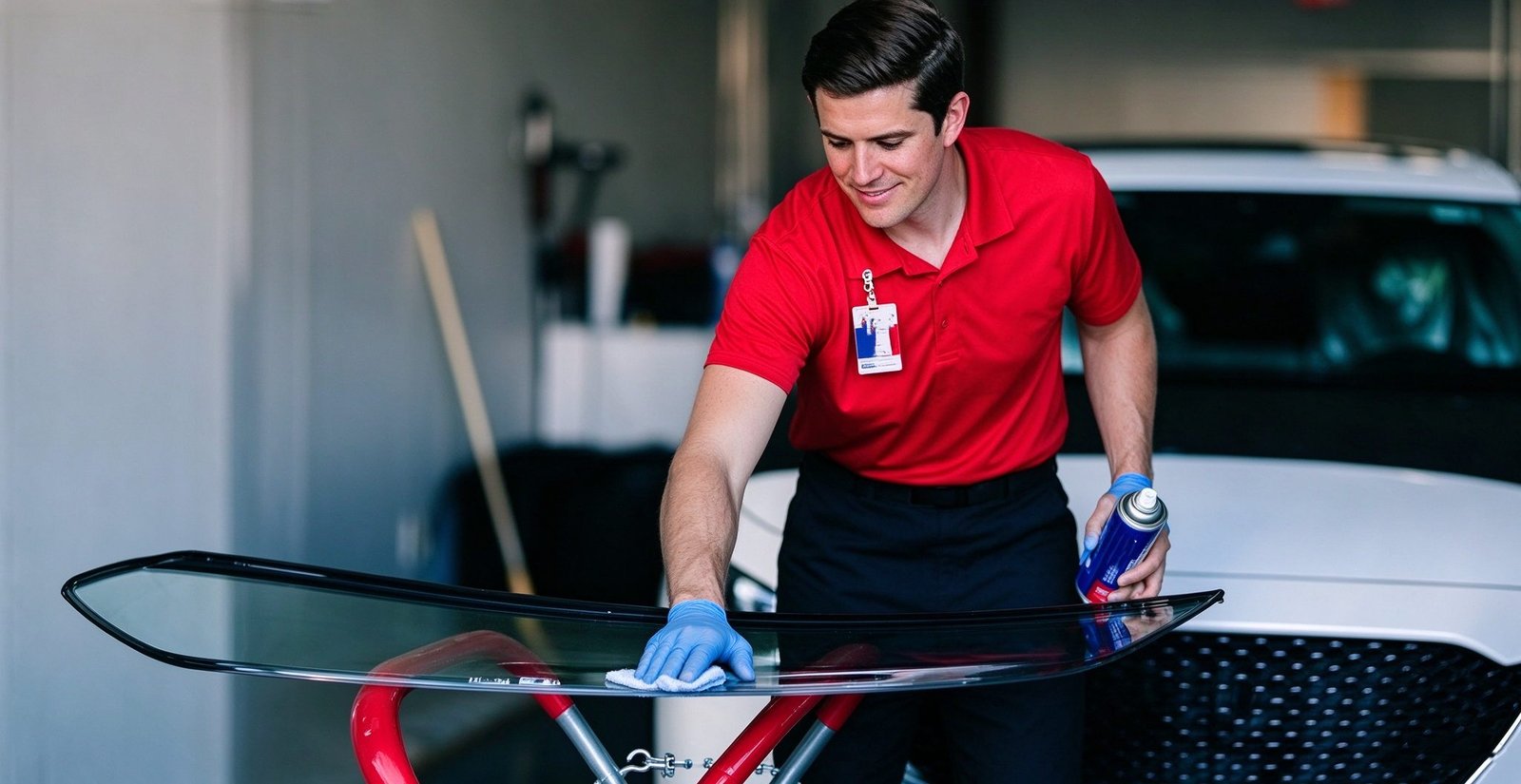
Moulding Architecture Matrix: Universal Roll vs. Pre-Formed OEM Trim
The engineering matrix below contrasts universal profile rolls against factory vehicle-specific mouldings across key workshop metrics.
| Design Metric | Universal Roll Mouldings (Undercut/T-Lip) | OEM Pre-Formed Vehicle Assemblies |
|---|---|---|
| Corner Geometry | Requires manual relief cutting & mitering | Factory molded 90° radiused corners |
| Installation Speed | Moderate (15 to 20 minutes trimming) | Fast (5 minutes press-fit alignment) |
| Inventory Flexibility | High (3 rolls cover 80% of vehicles) | Low (Dedicated SKU for each chassis) |
| Wind Noise Performance | Good if properly tensioned and notched | Optimal (Wind tunnel acoustic flushness) |
| Procurement Unit Cost | Economical ($2.00 to $4.00 per vehicle) | Premium ($25.00 to $85.00 per vehicle) |
Typical Application Scenarios: Workshop Realities & Moulding Failures
Examining common field failures illustrates how incorrect moulding selection and improper stretching ruin glass replacements.
Scenario A: Corner Lip Lifting on High-Speed Highway Commercial Van
A commercial van fleet reported intense cabin fluttering noise at speeds above 100 km/h. Inspection revealed that the upper windshield moulding corners had peeled away from the glass.
The mobile installer had stretched a universal rubber profile around the upper corners without relief cuts. Under summer heat, the rubber contracted elastidly, breaking the tape bond. Technicians replaced the assembly using pre-formed OEM corners with primer treatment.
Scenario B: Cost-Effective Fleet Restoration with Universal Undercut Trim
A municipal fleet needed windshield replacements across fifteen aging utility trucks where OEM mouldings were discontinued by the automaker.
Technicians deployed a high-grade universal 16mm undercut epdm windshield rubber profile. By cutting 45-degree relief notches at the upper corners and applying polyolefin primer, the workshop achieved pristine aerodynamic sealing at 15% of OEM component costs.
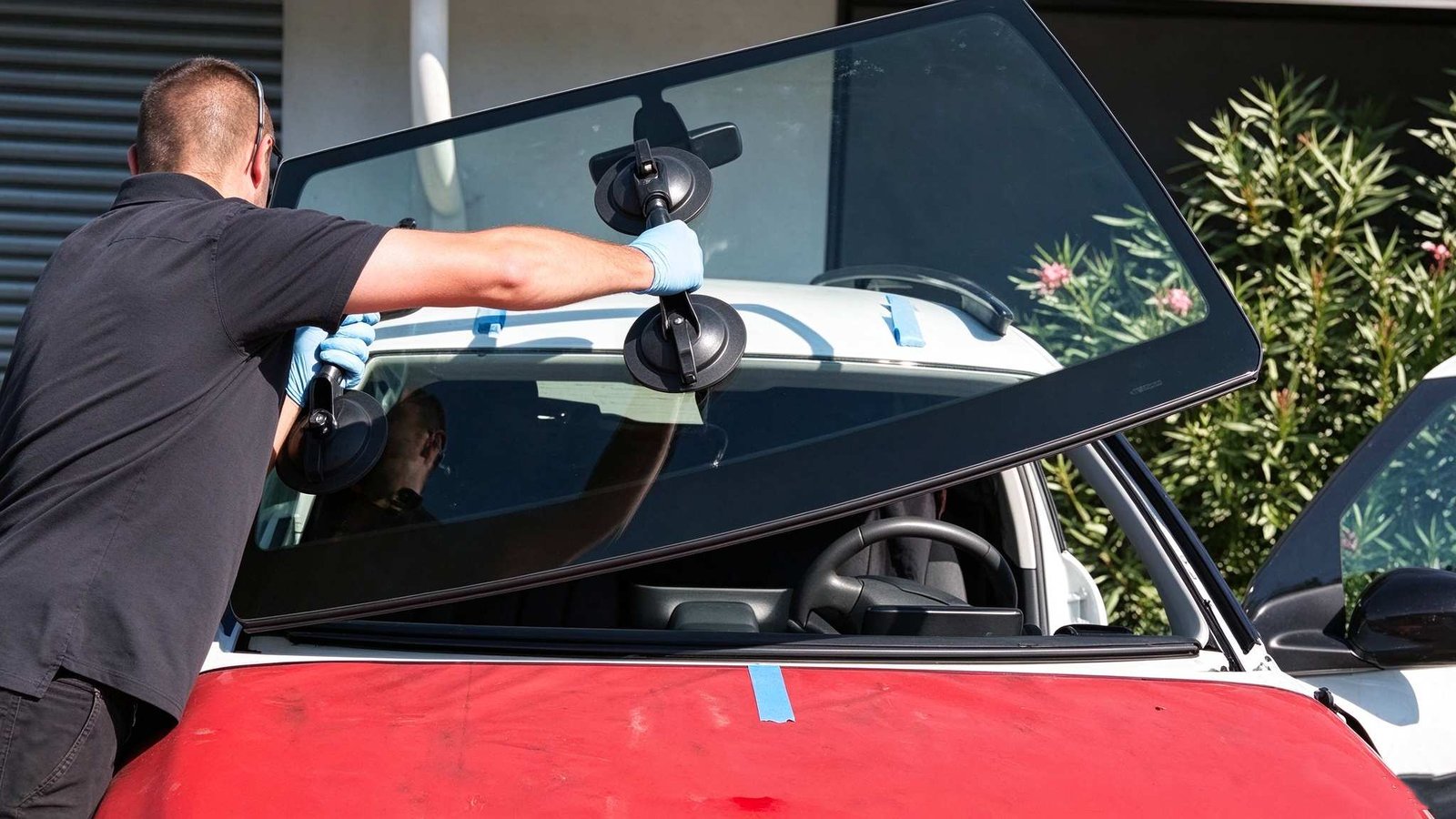
Standard Operating Procedure: Five-Stage Moulding Installation SOP
Following this standardized procedure ensures permanent rubber adhesion and eliminates high-speed wind flutter.
Step 1: Glass Edge Solvent Degreasing
Wipe the raw glass edge and outer ceramic border using pure isopropanol and a clean lint-free towel. Remove all glass handling oils, dust, and moisture before applying mouldings.
Step 2: Rubber Adhesion Promoter Application
If using universal rubber without pre-applied tape, wipe the rubber bonding groove with an approved adhesion promoter dauber. Allow two minutes for the primer to flash off into a tacky molecular layer.
Step 3: Tension-Free Wrapper Alignment
Start pressing the moulding onto the top glass edge from the center outward. Never stretch or pull the rubber lengthwise during installation, as tension triggers elastic recoil and corner lifting.
Step 4: Precision Corner Relief Notching
When wrapping universal trim around 90-degree corners, cut a small 45-degree V-notch in the bottom retaining lip using curved snips. This relief notch allows the outer cosmetic lip to lay flat without puckering.
Step 5: Pressure Roller Activation
Run a firm rubber roller along the tape channel with at least 20 N of hand pressure. Pressure-sensitive acrylic tapes require direct compression to initiate cross-linked adhesion.
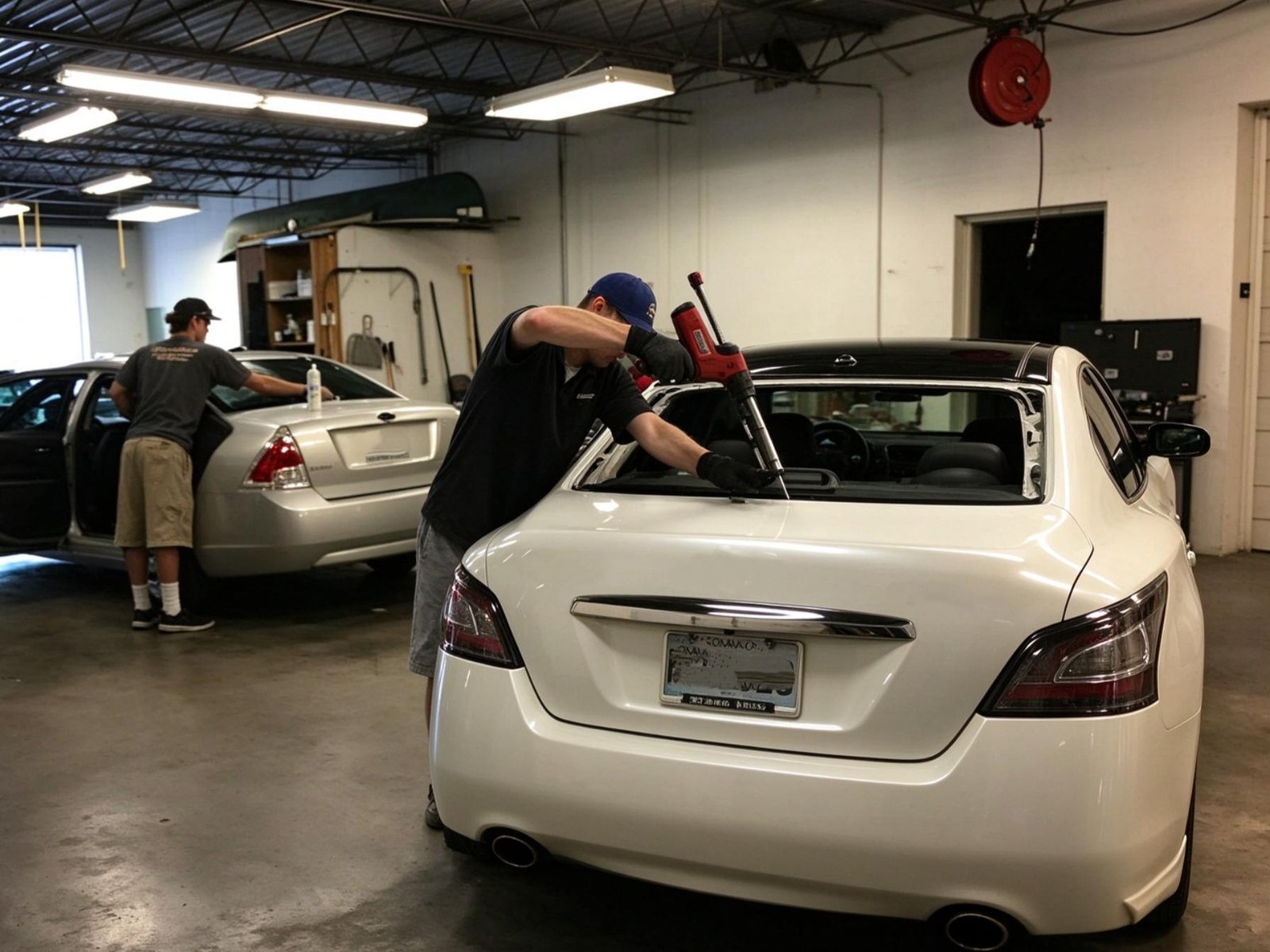
Engineer’s Technical Trade-Offs: Universal vs. OEM Practical Boundaries
Professional technicians must recognize where universal mouldings succeed and where factory OEM trim is non-negotiable.
- Acoustic High-Speed Performance: Modern luxury vehicles with flush windshield glass require OEM acoustic dampening mouldings with molded foam baffles to eliminate wind roar.
- Rain Sensor and Camera Clearances: Factory OEM mouldings include integrated rain gutter deflectors that keep rainwater from sheeting directly over forward-facing ADAS cameras.
- Inventory Efficiency vs. Custom Labor: Universal rolls save immense distributor inventory capital, but demand skilled manual corner cutting and mitering from installers.
Frequently Asked Questions: Windshield Rubber Mouldings
Can a damaged windshield rubber moulding be replaced without removing the glass?
It depends on the vehicle design. Top-mounted reveal mouldings and decorative plastic trim strips can often be unclipped or peeled and replaced without glass extraction. However, encapsulated undercut mouldings that wrap around the raw glass edge require full windshield removal to reinstall correctly.
Why does universal rubber molding lift at the upper windshield corners?
Corner lifting occurs when installers stretch rubber profiles while negotiating tight curves. EPDM rubber exhibits strong elastic memory; when heated by summer sunlight, the stretched rubber contracts, overcoming the adhesive tape bond and pulling away from the glass. Cutting bottom relief notches prevents this failure.
Does windshield rubber molding provide structural crash retention?
No. Perimeter rubber mouldings provide purely cosmetic gap coverage, aerodynamic smoothing, and water deflection. All structural crash retention, rollover roof crush resistance, and airbag backboard support are provided exclusively by the cured polyurethane adhesive bead.
Engineering Summary: Aesthetic Excellence and Weather Sealing
Windshield rubber mouldings form the frontline barrier against wind noise and road debris. By mastering EPDM surface priming, tension-free installation, and appropriate universal-versus-OEM profile selection, auto glass professionals deliver quiet, aesthetically flawless installations that protect vehicle value.
Authored by ChemPU Automotive Application Engineering Team
Specializing in OEM direct-glazing polyurethane formulation, crash-retention validation per FMVSS 212 standards, and high-performance structural elastomeric bonding solutions for global automotive manufacturers.
Quality Certification: ISO 9001 / IATF 16949 Certified Adhesive Manufacturing
Source Certified OEM Windshield Adhesives & Moulding Systems
Partner with ChemPU, an ISO 9001 and IATF 16949 certified Chinese manufacturer. We provide high-modulus polyurethane direct glazing adhesives, universal EPDM mouldings, and private label cartridges for international distributors and fleet repair networks.
Direct WhatsApp Technical Inquiry: +86 15216655520

