
Automotive glass technicians and fleet collision centers recognize that even the highest-grade direct glazing polyurethane fails without proper tooling. Equipping auto glass workshops with professional windshield replacement tools guarantees precision glass removal, zero pinchweld paint damage, and uniform triangular bead extrusion.
Traditional braided steel cutting wire frequently scratches e-coat paint, creating hidden rust crevices beneath cured urethane. Meanwhile, low-ratio retail caulk guns flex and seize when extruding high-viscosity structural adhesives. Investing in dedicated professional tooling protects vehicle structural integrity and technician ergonomic health.
Key Takeaways: Essential Workshop Cut-Out & Dispensing Equipment
- Non-Destructive Cut-Out: High-tensile synthetic fiber line eliminates vehicle pinchweld scratches, representing essential windshield replacement tools for modern apertures.
- High-Thrust Dispensing: Extruding thixotropic OEM urethanes requires a minimum 26:1 mechanical ratio or pneumatic applicator to prevent bead stutter.
- Calibrated Urethane Skiving: Technicians must trim old polyurethane down to a clean 1 mm to 2 mm base layer rather than scraping bare metal.
- Safe Glass Handling: Dual-cup vacuum lifters and ergonomic setting stands ensure precise deck-height alignment, preserving ADAS camera calibration.
Modern Cut-Out Systems: Synthetic Fiber Line vs. Braided Steel Wire
Severing cured polyurethane along vehicle apertures is the most labor-intensive phase of glass removal. Choosing modern windshield replacement tools dictates whether the underlying pinchweld remains pristine or suffers severe paint gouging.
Synthetic Fiber Line Technology
Modern auto glass specialists utilize ultra-high-molecular-weight polyethylene (UHMWPE) synthetic cutting fiber line. Synthetic line delivers incredible tensile strength exceeding 180 kg without metallic abrasiveness.
As a motorized or ratchet spool draws the fiber through dense adhesive, the line glides harmlessly over painted pinchwelds and interior plastic dash trim. It completely eliminates metal-on-metal scratching, preserving factory e-coat corrosion barriers.
Traditional Braided Steel Wire and Oscillating Blades
Braided square and round steel wires cut through hardened polyurethane quickly through sawing friction. However, steel wire acts as a serrated blade against vehicle bodywork, frequently cutting through paint down to bare sheet metal.
Similarly, pneumatic or cordless oscillating cut-out tools excel at rapid fleet demolition. Yet, careless blade angles risk scratching ceramic frits, cutting dashboard wiring harnesses, or gouging aluminum frames.
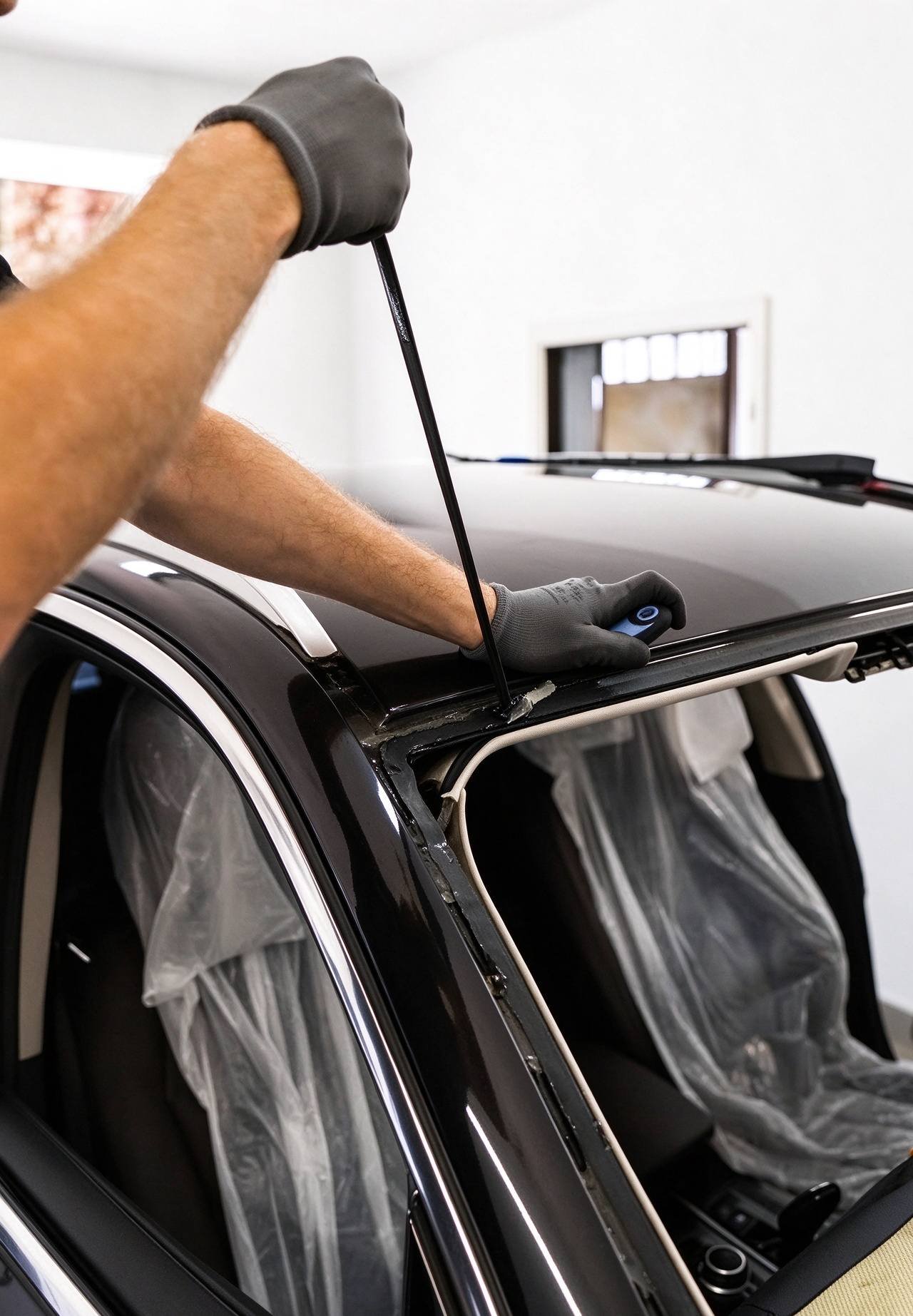
Figure 1: Extruding a calibrated triangular V-bead using a high-thrust professional adhesive dispensing tool.
Performance Benchmark Matrix: Windshield Cut-Out Technologies
The following operational parameters evaluate professional auto glass removal technologies across key workshop metrics:
| Tooling Technology | Vehicle Paint Safety | Solo Operator Efficiency | Best Workshop Application |
|---|---|---|---|
| Synthetic Fiber Line System | 100% Zero-Scratch Safe | Excellent (Single-Spool Suction) | Luxury, EV, Aluminum & ADAS Vehicles |
| Braided Steel Cutting Wire | High Paint Gouge Risk | Requires Two Technicians | Heavy Commercial Trucks & Buses |
| Pneumatic Oscillating Blade | Moderate (Requires Guide Shoes) | Fast Cut-Out Speed | High-Volume Salvage & Fleet Depots |
| Manual Pull Cold Knife | Operator Skill Dependent | Fast on Quarter Glass | Side Windows & Exposed Gaskets |
Adhesive Dispensing Applicators: Overcoming High-Viscosity Polyurethane Resistance
Automotive moisture-curing polyurethane sealants are thick, paste-like thixotropic polymers. Extruding an OEM-compliant triangular V-bead requires significant mechanical force.
Manual 26:1 High-Ratio vs. Cordless Electric Guns
Retail caulking guns feature weak 10:1 or 12:1 thrust ratios. Attempting to dispense cold windshield urethane with low-thrust guns bends the handle frame and exhausts technician forearms.
Professional auto glass technicians utilize heavy-duty manual guns with a 26:1 mechanical advantage or 18V cordless electric applicators. Electric guns deliver continuous, uniform push forces up to 4,000 N, ensuring flawless bead deck height.
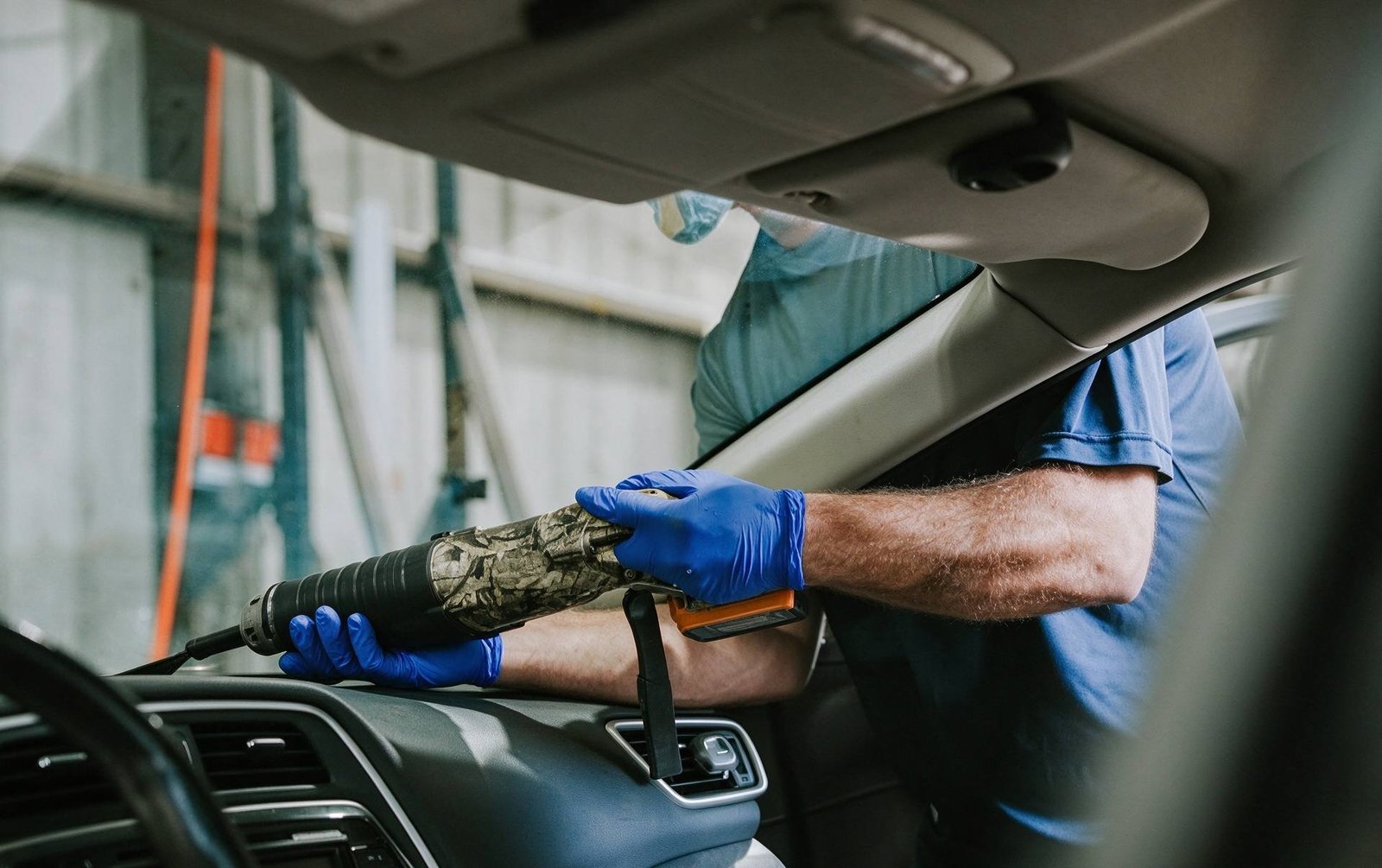
Figure 2: Professional pneumatic applicator gun ensuring continuous, bubble-free adhesive bead delivery along vehicle frame.
Pinchweld Scrapers: Controlled Skiving vs. Bare Metal Gouging
After glass removal, technicians must prepare the pinchweld mating surface. Specialized angled pinchweld scrapers with razor-honed carbon steel blades allow controlled skiving.
Technicians slice the residual urethane down to a flat 1 mm to 2 mm base. This clean, intact polyurethane layer provides the ideal chemical foundation for fresh polyurethane windshield adhesive, detailed in our technical polyurethane direct glazing specifications.
Standard Operating Procedure: Glass Removal & Pinchweld Preparation Protocol
Executing a zero-damage windshield replacement requires adhering to this four-stage precision protocol using professional windshield replacement tools:
- Synthetic Fiber Cut-Out: Mount the vacuum spool assembly inside the windshield. Feed high-strength synthetic fiber line beneath the urethane seal using a guide awl. Ratchet the line smoothly around all four glass corners without contacting the vehicle clearcoat.
- Controlled Urethane Skiving: Lift the severed windshield away using dual suction cups. Take an angled pinchweld skiving tool and carefully shave old urethane down to a uniform 1 mm thickness. Avoid gouging through the base e-coat layer to bare metal.
- Calibrated V-Notch Dispensing: Cut the cartridge nozzle with a 90° V-groove to create an 8 mm wide by 13 mm high triangular bead. Dispense using an 18V electric or 26:1 manual gun, holding the applicator perpendicular to maintain steady deck height.
- Vacuum Lifter Placement and SDAT Curing: Position the replacement windshield into the vehicle frame aperture using heavy-duty vacuum suction lifters. Verify sensor alignments, secure with setting tape, and observe full safe drive away time benchmarks per our safe drive away time SDAT guidelines.
Typical Application Scenario: Steel Wire Scratching Causing Frame Crevice Corrosion
Case Overview: Chronic Pinchweld Rust and Windshield Stress Crack on Commercial Van
Incident Profile: A fleet delivery van suffered a spontaneous diagonal stress crack across a newly installed windshield after eight months of service. Moisture infiltrated the A-pillar, causing interior headliner dampness and electronic harness shorts.
Root Cause Investigation: Forensic examination revealed the previous installer utilized braided steel wire during glass removal. The vibrating steel wire sawed deep grooves through the factory e-coat along the upper header. Trapped moisture caused severe iron oxide rust blisters beneath the adhesive bead. The expanding rust exerted point loads on the glass edge, initiating fracture.
Corrective Engineering Protocol: The fleet workshop transitioned entirely to modern windshield replacement tools featuring synthetic fiber line systems. Rusted steel flanges were sandblasted, reprimed with two-part epoxy primer, and reglazed using high-modulus polyurethane adhesive, eliminating crevice corrosion risks.
Frequently Asked Questions: Auto Glass Tool Selection & Setup
Why should auto glass shops replace braided steel wire with synthetic fiber line?
Braided steel wire acts as an abrasive saw that cuts paint and protective e-coat layers down to bare metal, triggering galvanic corrosion. Synthetic fiber line possesses high tensile strength while remaining gentle on painted surfaces. It glides smoothly over vehicle pinchwelds, completely eliminating paint damage on modern aluminum and steel apertures.
What mechanical thrust ratio is needed for manual windshield urethane caulk guns?
Manual applicators require a minimum thrust ratio of 26:1. Automotive direct glazing polyurethanes have extremely high viscosity to maintain bead profile and structural green strength. Lower-ratio retail guns (10:1 or 12:1) bend under pressure and cannot extrude thick urethanes without extreme operator fatigue.
Why should technicians not scrape old urethane down to bare sheet metal?
Factory e-coat and original polyurethane provide the ultimate corrosion defense and adhesion substrate. Fresh polyurethane forms a powerful chemical bond directly to clean, trimmed old polyurethane without special metal primers. Scraping to bare metal destroys anti-corrosion layers and introduces rust risks if primer application is flawed.
Engineering Summary: Tooling Precision Determines Structural Glazing Integrity
High-performance adhesive bonding requires equal precision in mechanical application. Deploying specialized windshield replacement tools—from zero-scratch fiber cut-out spools to high-thrust dispensing guns—preserves vehicle corrosion protection and ensures compliant adhesive deck height. Collision workshops that invest in calibrated tooling deliver factory-grade passenger safety on every installation.
ChemPU Auto Glass Engineering & Equipment Group
Automotive Polyurethane Glazing Systems & Tooling Specialist
ChemPU manufactures certified direct glazing polyurethane adhesives, black glass primers, and complete professional installation kits under ISO 9001 and IATF 16949 standards. Our engineering team assists auto glass repairers, mobile fleet upfitters, and wholesale distributors worldwide with verified technical specifications and prompt consultation via WhatsApp (+86 15216655520).
Source Certified OEM Direct Glazing Polyurethane Adhesives
Partner with ChemPU, an ISO 9001 and IATF 16949 certified Chinese manufacturer. We provide high-modulus polyurethane direct glazing adhesives, black glass primers, and private label cartridges for international distributors and fleet repair networks.
Direct WhatsApp Technical Inquiry: +86 15216655520

