
Automotive technicians and body shops frequently struggle with detached door seals, whistling highway wind noise, and chronic trunk rainwater leaks. Choosing a dependable auto weatherstrip adhesive requires understanding the unique surface chemistry of extruded ethylene propylene diene monomer (EPDM) synthetic rubber.
General-purpose household glues and rigid cyanoacrylates shatter under repeated door slam impacts. High-speed vibrations and summer heat degrade inferior bonds within months. Deploying dedicated polychloroprene weatherstrip adhesives guarantees durable environmental sealing and quiet cabin acoustic comfort.
Key Takeaways: Automotive Weatherstrip Bonding
- EPDM Surface Incompatibility: Extruded EPDM rubber possesses low surface energy and processing oils, requiring aggressive contact adhesives for molecular wetting.
- Slam Impact Resilience: Dedicated weatherstrip formulas maintain high peel strength and elastomeric flexibility through 100,000+ door closure shock cycles.
- Mechanical Clip Integration: Modern vehicles combine integral nylon barbed clips with chemical bonding at mitered corners and high-draft transitions.
- Surface Decontamination: Complete stripping of oxidized rubber powder and old adhesive films is mandatory to prevent premature bondline separation.
EPDM Rubber Bonding Challenges: Plasticizer Migration and Surface Energy
Automotive weatherstrips utilize closed-cell EPDM sponge rubber due to its exceptional ozone resistance, weathering durability, and compressive memory. However, EPDM represents one of the most challenging automotive substrates to bond permanently.
Low Surface Energy and Mold Release Barriers
Virgin EPDM rubber exhibits a critical surface tension below 30 dynes/cm. Furthermore, the rubber extrusion manufacturing process introduces paraffinic processing oils, carbon black fillers, and internal mold release lubricants.
Over time, volatile plasticizers continuously migrate toward the rubber surface. Weak adhesive films cannot penetrate this low-energy oily barrier, resulting in adhesive failure where glue peels cleanly away from the rubber profile.
Black Super Weatherstrip Adhesive Chemistry
Professional-grade auto weatherstrip adhesive relies on specialized polychloroprene (neoprene) synthetic elastomers dissolved in fast-evaporating solvent carriers. The formulation incorporates synthetic tackifying resins and magnesium oxide stabilizers.
When applied as a dual-sided contact film, the neoprene polymers wet the rubber micropores aggressively. Upon assembly, instantaneous cohesion forms a flexible, water-resistant bridge that resists automotive salt spray and environmental aging, meeting standards detailed in our salt spray resistant adhesive technical data.
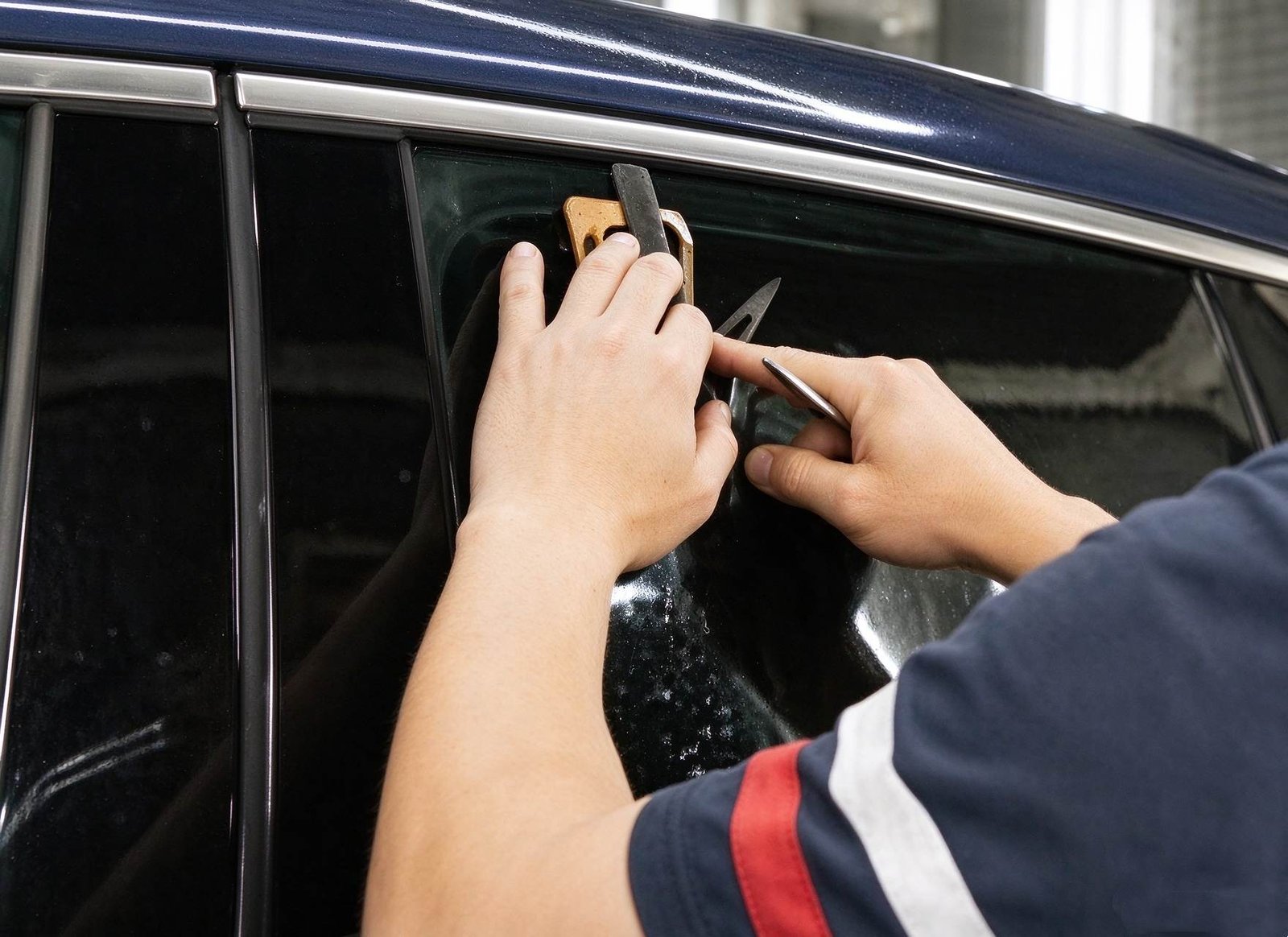
Figure 1: Complete mechanical removal of hardened adhesive and rubber residue along the automotive door perimeter.
Performance Benchmark Matrix: Weatherstrip Bonding Adhesives
The following laboratory parameters compare professional rubber weatherstrip adhesives against alternative workshop bonding compounds:
| Performance Parameter | Black Polychloroprene Contact Adhesive | Ethyl Cyanoacrylate (Super Glue) | Neutral RTV Silicone |
|---|---|---|---|
| Impact Shock Resistance | High (Absorbs Door Slams) | Extremely Brittle (Shatters) | Moderate Elasticity |
| Initial Green Grab | Instantaneous Contact Grip | Fast Chemical Cure | Zero Green Tack (Slides Away) |
| Peel Strength on EPDM Rubber | High (Substrate Tearing) | Poor (Surface Flaking) | Very Poor (Peels Cleanly) |
| Temperature Range | -40°C to +105°C | -30°C to +80°C | -50°C to +200°C |
| Automotive Clearcoat Safety | Safe (Non-Staining Solvents) | Hazards (Whitening & Etching) | Contaminates Paint Finish |
| Recommended Application | Primary Door, Trunk & Roof Seals | Emergency Miter Cut Joining Only | Engine Gaskets, Not Weatherstrips |
Standard Operating Procedure: Flange Preparation and Weatherstrip Installation
Proper weatherstrip adhesion demands disciplined metal flange preparation and controlled open-time management. Follow this standardized workshop sequence:
Mechanical Residue Stripping and Degreasing
Peel away detached weatherstrip profiles carefully. Use a non-marring plastic scraper and an approved adhesive remover to dissolve residual dried glue. Avoid steel razor blades that score clearcoat and e-coat layers, which can trigger rust along the pinchweld.
Clean the metal flange thoroughly with pure isopropyl alcohol (IPA) or quick-drying solvent degreaser. Wipe the rubber mounting surface with an alcohol-moistened lint-free cloth to strip bloom oils and factory mold release agents.
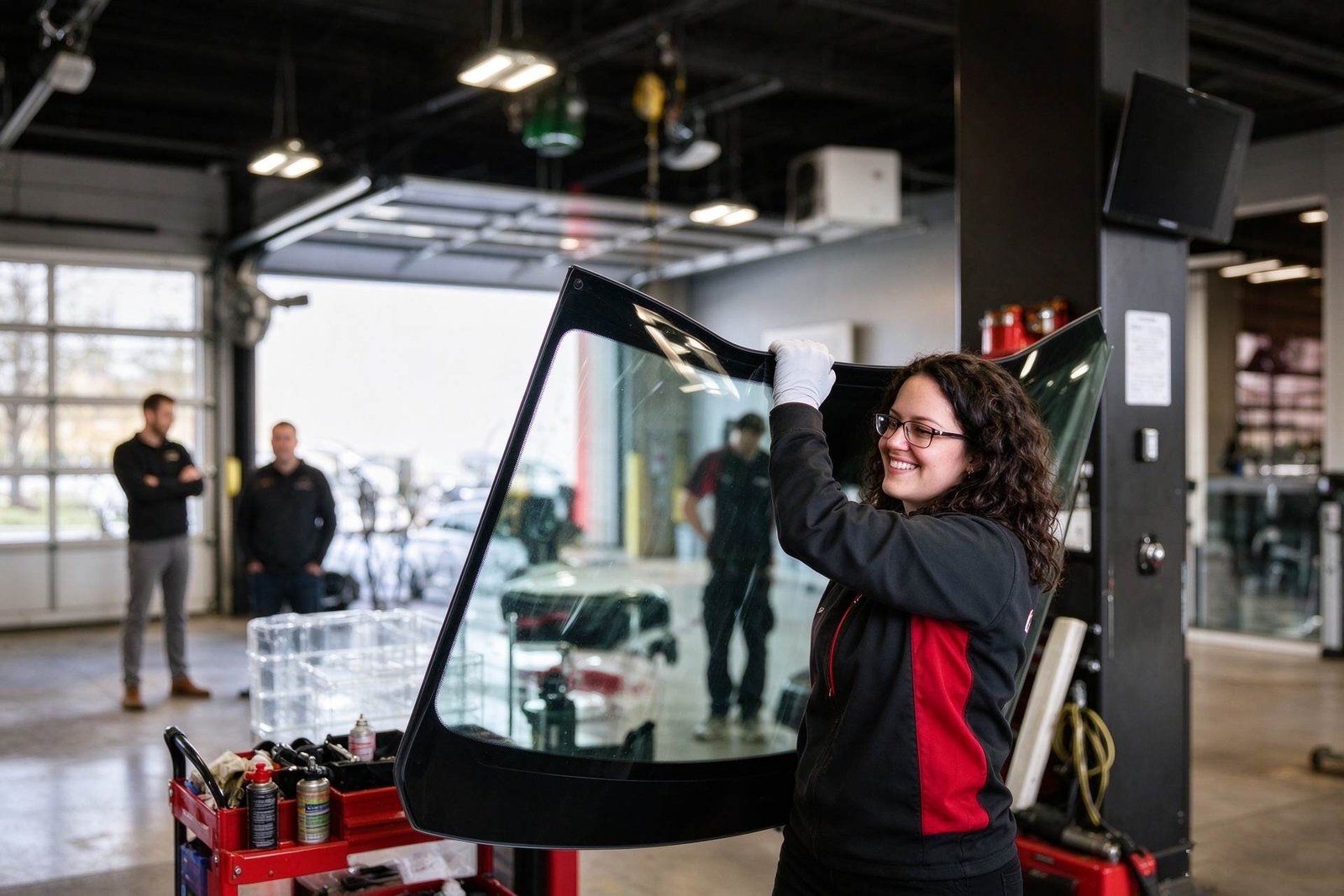
Figure 2: Verifying precise alignment between peripheral rubber weatherstripping gaskets and automotive body pinchweld flanges.
Dual-Sided Adhesive Coating and Pressure Seating
Apply a continuous, uniform film of black auto weatherstrip adhesive to both the metal body pinchweld and the mating rubber channel. Allow the adhesive to flash off for 2 to 4 minutes until tacky to the touch without transferring to a clean glove.
Align the weatherstrip starting at molded corners and snap all integral nylon barbed push pins into factory body holes. Press the rubber firmly onto the adhesive bed using a smooth roller or thumb pressure. Secure critical bends with low-tack masking tape for 30 minutes while the contact bond consolidates.
Typical Application Scenario: Commercial Van Door Seal Failure and Cabin Wind Noise
Case Overview: Chronic Sliding Door Water Ingress on Delivery Fleet Vehicles
Incident Profile: A regional logistics fleet experienced persistent rainwater leaks and high-speed wind buffeting across the sliding cargo doors of ten commercial vans. An independent repair shop had previously re-attached peeling rubber seals using household clear super glue (cyanoacrylate). Within two weeks of delivery service, the seals detached completely along the upper door headers.
Root Cause Investigation: Physical inspection revealed brittle, crystallized cyanoacrylate residue flaking off the painted flange. Repeated sliding door closures subjected the joint to severe shock and vibration. The rigid super glue film shattered under dynamic impact. Furthermore, technicians had bonded directly over oily EPDM bloom without pre-cleaning the rubber substrate.
Corrective Engineering Protocol: Technicians stripped all fractured adhesive residue down to factory paint using plastic blades and citrus cleaners. After thorough isopropyl alcohol degreasing, the workshop applied certified industrial black auto weatherstrip adhesive to both substrates. Following a 3-minute flash-off and roller compression, subsequent high-pressure water spray tests confirmed 100% leak-free sealing.
Frequently Asked Questions: Automotive Weatherstrip Installation
Why does standard super glue fail on automotive rubber weatherstripping?
Cyanoacrylate glues cure into hard, rigid polymers with zero elasticity. Automotive vehicle doors flex during driving, and repeated door slam shocks exert intense shear and peel forces. Rigid glue bonds shatter rapidly under dynamic fatigue. Dedicated weatherstrip adhesives remain rubbery and flexible, absorbing kinetic impacts effortlessly.
What is the practical difference between yellow and black weatherstrip adhesive?
Both formulations provide similar polychloroprene contact strength and thermal resistance. Yellow weatherstrip adhesive offers slightly faster initial tack and was historically favored by classic car restorers. Modern collision repair facilities prefer black weatherstrip adhesive because it matches black EPDM rubber gaskets, concealing squeeze-out along exposed door jambs.
How do you safely clean dried weatherstrip adhesive overspray from automotive paint?
Dried polychloroprene adhesive resists water and general car wash soaps. Apply specialized automotive adhesive solvent remover or mineral spirits onto a microfiber cloth. Hold the soaked cloth against the spot for 60 seconds to soften the adhesive polymer, then wipe away gently without aggressive rubbing.
Engineering Summary: Maintaining Acoustic Comfort and Weather Protection
Preserving passenger cabin silence and environmental integrity relies on durable rubber-to-metal bonding. Deploying an OEM-grade auto weatherstrip adhesive bridges low-energy EPDM rubber with painted automotive body steel. Combining disciplined solvent degreasing with dual-sided contact application prevents wind noise, stops water leaks, and ensures lifelong seal performance.
ChemPU Automotive Body Sealing Technology Group
Polyurethane & Elastomeric Sealants Engineering Specialist
ChemPU manufactures certified direct glazing polyurethane adhesives, seam sealers, and high-performance elastomeric bonding systems under ISO 9001 and IATF 16949 standards. Our engineering team assists automotive fleet repairers, body shops, and private label distributors worldwide with verified technical specifications and prompt engineering consultation via WhatsApp (+86 15216655520).
Source Certified OEM Direct Glazing Polyurethane Adhesives
Partner with ChemPU, an ISO 9001 and IATF 16949 certified Chinese manufacturer. We provide high-modulus polyurethane direct glazing adhesives, black glass primers, and private label cartridges for international distributors and fleet repair networks.
Direct WhatsApp Technical Inquiry: +86 15216655520

