
Automotive body repair facilities face strict quality demands when replacing structural panels and sealing welded sheet metal. Applying a substandard automotive seam sealer leads to water infiltration, wind noise, and severe crevice corrosion. Modern unibody assemblies rely on elastic sealers to bridge overlapping joints and absorb chassis vibration.
Technicians frequently debate whether traditional one-component polyurethane or advanced silane-modified polymer (MS polymer) offers superior field reliability. Choosing between these chemical systems impacts shop cycle time, paint curing schedules, and long-term joint durability under extreme road conditions.
Key Takeaways: Vehicle Seam Sealing Essentials
- Corrosion Barrier: Seam sealers protect raw metal edges and spot-welded seams from salt spray, road moisture, and galvanic degradation.
- Polyurethane Strengths: 1K polyurethane provides exceptional mechanical toughness and abrasion resistance for floor pans and wheel wells.
- MS Polymer Benefits: Silyl-modified polymers offer isocyanate-free safety, zero solvent shrinkage, and immediate wet-on-wet paintability.
- Surface Preparation Rule: Sealer must be applied over cured 2K epoxy primer rather than bare acid-etched metal to guarantee permanent adhesion.
Chemical Comparison: 1K Polyurethane vs. MS Polymer Seam Sealers
Selecting the correct chemical backbone determines how the joint reacts to baking cycles, ultraviolet radiation, and thermal expansion. Both systems react with atmospheric humidity to create durable crosslinked networks. Their molecular backbones behave differently during vehicle assembly.
1K Moisture-Curing Polyurethane (PU)
Polyurethane seam sealers incorporate isocyanate-terminated prepolymers. Moisture triggers carbon dioxide release and produces durable polyurea crosslinks. Polyurethane delivers high tensile strength, elastic recovery, and superior impact resistance. Consequently, it remains the standard choice for high-stress joints and underbody gravel-strike zones.
Polyurethane requires adequate skin formation before baking. Premature exposure to heat lamps or paint booths can cause isocyanate micro-bubbling. Technicians review detailed technical specifications in our polyurethane seam sealer guide prior to vehicle refinishing.
Silyl-Modified Polymers (MS Polymer / SMP)
MS polymers combine the mechanical resilience of polyurethane with the environmental durability of silicone. Formulated with dimethoxy or trimethoxy silane-functionalized polyether backbones, MS polymers cure without releasing carbon dioxide. They contain zero solvents and zero free isocyanates.
Because no gas evolves during curing, MS polymers never blister inside paint curing ovens. Facilities requiring advanced hybrid chemistries frequently explore MS polymer sealants to reduce shop VOC emissions and shorten repair cycle times.
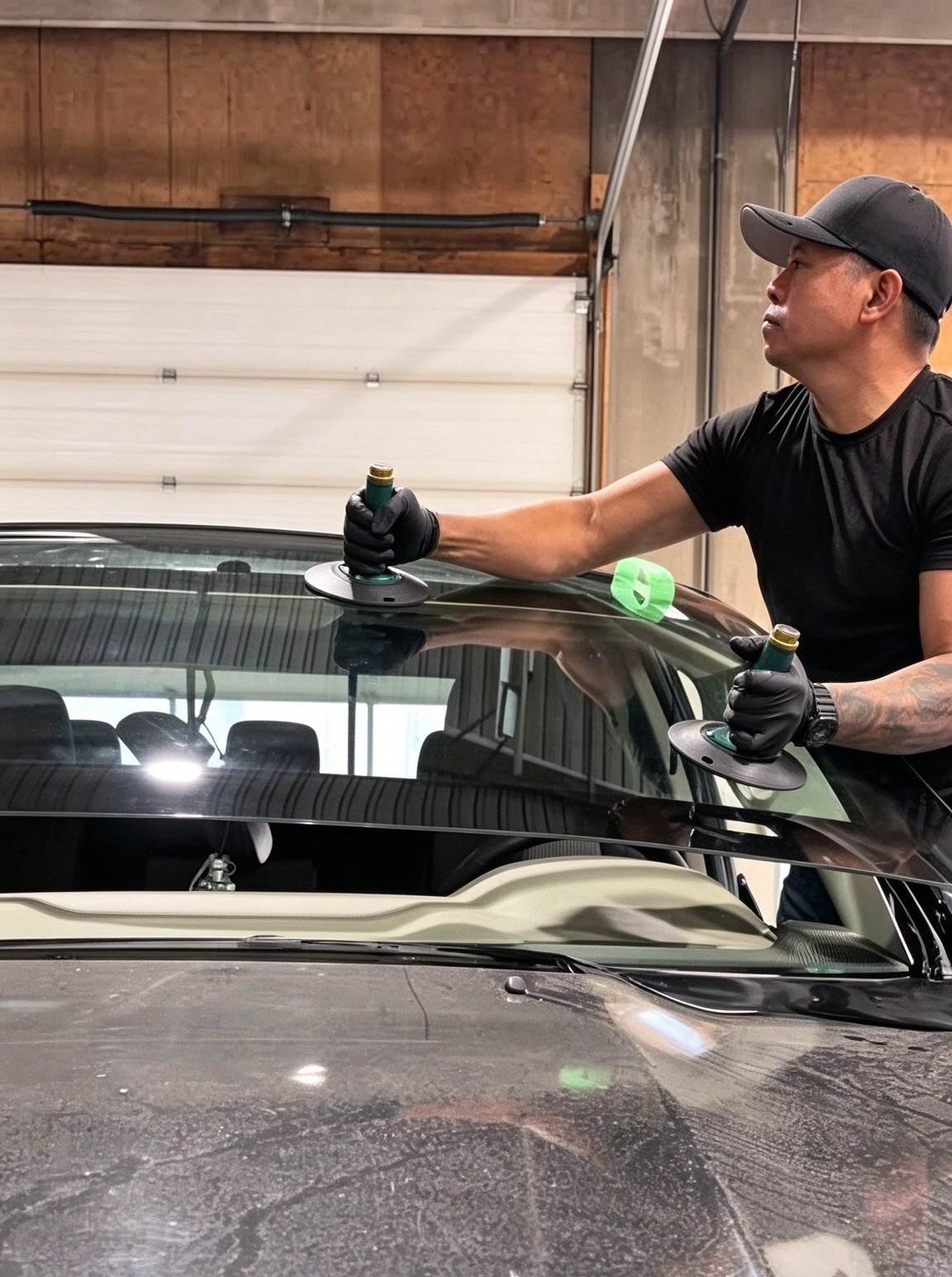
Figure 1: High-viscosity automotive seam sealer packaged in moisture-barrier aluminum cartridge for collision repair.
Technical Performance Matrix: 1K Polyurethane vs. MS Polymer
Collision repair standards require measurable chemical and physical benchmarks. The following data highlights laboratory metrics observed across certified automotive seam sealer formulations:
| Performance Property | 1K Polyurethane (PU) | MS Polymer (SMP) | Repair Significance |
|---|---|---|---|
| Isocyanate Content | Contains Prepolymers | 100% Isocyanate-Free | Technician respiratory safety & compliance |
| Volume Shrinkage | 3% – 5% | < 1% (Zero Solvent) | Prevents seam edge pulling & paint cracks |
| Wet-on-Wet Paintability | Wait 30–60 min skin | Immediate (0–20 min) | Accelerates spray booth turnover time |
| UV Resistance (Unpainted) | Moderate (Yellowing) | Exceptional (No Chalk) | Longevity in unpainted truck bed seams |
| Tensile Shear Strength | 2.2 – 3.0 MPa | 1.8 – 2.5 MPa | Joint resistance to chassis torsional flex |
| Shore A Hardness | 45 – 55 | 40 – 50 | Balanced flexibility and sound dampening |
Application Methods: Extruded Bead, Brushable, and Sprayable Seam Sealing
Automotive manufacturers deploy three distinct seam sealing techniques across the chassis. Replicating the factory appearance is essential for certified structural collision repairs.
Direct Extruded Bead (Door Hem Flanges)
Door skins, trunk lids, and hood hem flanges require a consistent, smooth bead. Technicians utilize specialized guide nozzles that index against the door edge. This ensures an exact 6 mm to 8 mm flat or rounded profile without manual tooling marks.
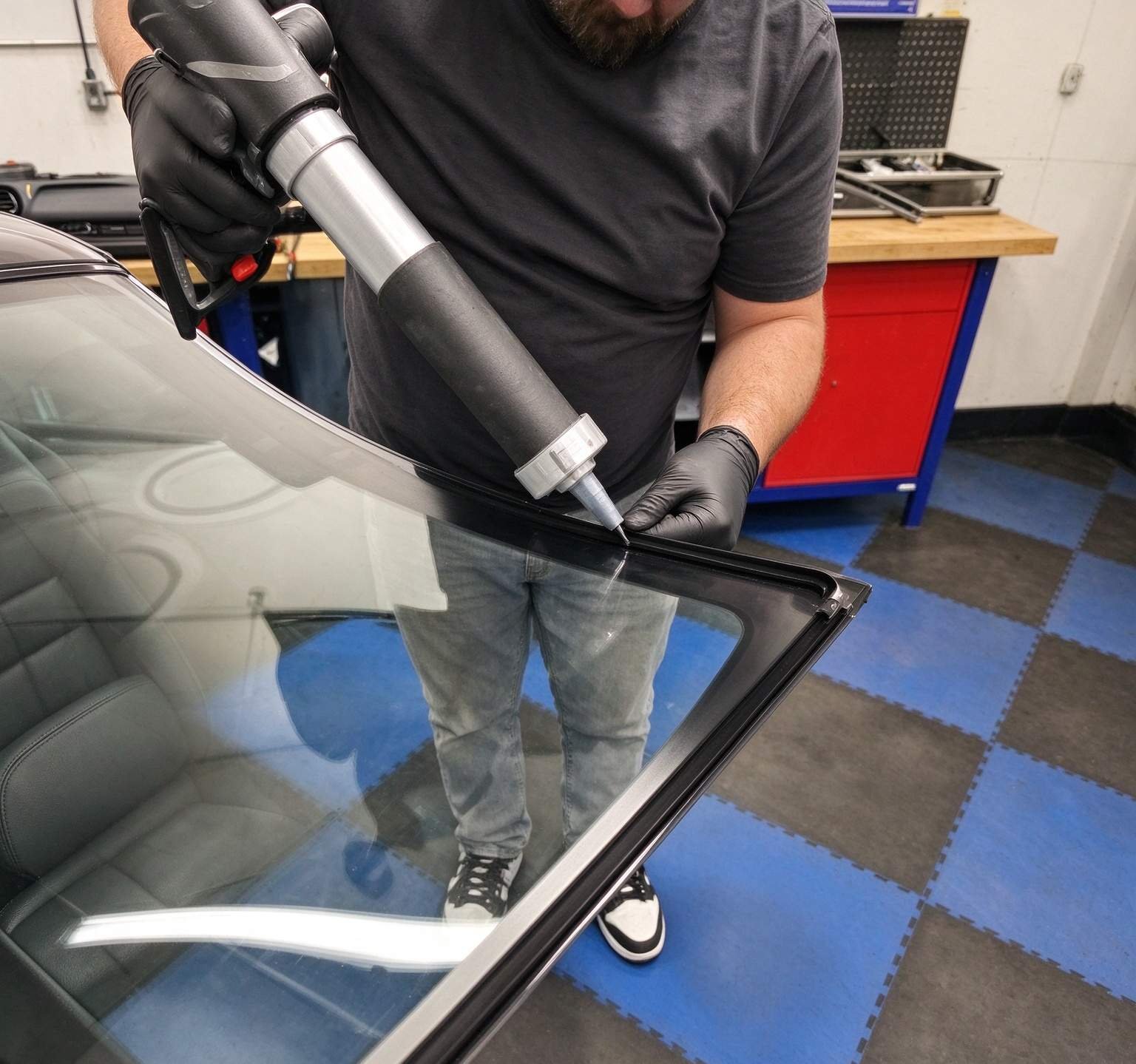
Figure 2: Precision application of 1K automotive seam sealer along hem flange joints to duplicate factory OEM finish.
Brushable Seam Sealing (Strut Towers and Trunk Floors)
Additionally, trunk gutters, floor pan overlap seams, and shock towers frequently feature factory brush textures. Applying a medium-viscosity automotive seam sealer with a nylon bristle brush mimics OEM joint styling. The brush strokes work the polymer deep into microscopic spot-weld crevices.
Pneumatic Sprayable Sealing (Underbody and Wheel Wells)
Pneumatic spray guns atomize high-solid MS polymers to duplicate textured factory undercoatings. Adjusting atomizing air pressure and material flow creates coarse or fine orange-peel finishes. This spray barrier dampens gravel impact noise and resists road deicing chemicals.
Standard Operating Procedure: Surface Preparation and Refinishing
Corrosion prevention depends on proper surface chemical hygiene. Technicians must execute the following five-step protocol:
- Degreasing and Cleaning: Wash bare sheet metal with waterborne surface cleaner followed by solvent degreaser to eliminate stamping oils, silicone residues, and sanding dust.
- Corrosion Primer Application: Never apply seam sealer directly over raw bare steel or acid etch primers. Spray two full coats of 2K epoxy primer. Allow full cure according to paint manufacturer technical data sheets.
- Mechanical Keying: Scuff the cured epoxy primer using a fine abrasive scuff pad (P400–P600 grade). Blow clean with oil-free compressed air.
- Sealer Application and Tooling: Dispense continuous polymer bead without air entrapment. Tool immediately using a pre-moistened profiling spreader.
- Topcoat and Baking: Apply automotive basecoat and clearcoat. For polyurethane, observe recommended skin times before bake cycles to prevent blister formation.
Typical Application Scenario: Body Shop Hem Flange Corrosion and Paint Blistering Failure
Case Overview: Premature Rust and Paint Peeling on Replacement Door Skins
Incident Profile: A regional collision repair network received recurring customer complaints regarding door hem flange paint bubbling. Paint blistered and flaked along lower door seams within four months of repair completion, accompanied by brown oxidation stains.
Root Cause Investigation: Laboratory examination revealed two critical operational errors. First, technicians applied seam sealer directly over single-stage 1K wash primer. The acid catalyst in the wash primer inhibited polyurethane crosslinking, leaving sticky, uncured polymer against the metal. Second, technicians pushed the freshly sealed doors into a 65°C baking booth within 10 minutes. Solvent expansion and carbon dioxide release blew micro-pinholes through the curing paint film.
Corrective Engineering Protocol: The repair network mandated 2K epoxy primer under all body sealers. Shops converted door hem flange sealing to solvent-free MS polymer technology. This transition eliminated baking booth blisters and allowed direct wet-on-wet refinishing without paint adhesion failure.
Frequently Asked Questions: Automotive Seam Sealer Selection
Can you apply seam sealer over bare steel without primer?
Direct application over bare metal is strongly discouraged by automotive OEMs. Moisture trapped beneath the bead or micro-voids around spot welds will initiate crevice rust. Applying two coats of 2K epoxy primer creates an impermeable passivating chemical barrier. This foundation ensures permanent sealer bonding and total corrosion protection.
How long should you wait before painting over seam sealer?
Drying schedules depend directly on polymer chemistry. Silyl-modified polymers (MS polymer) allow paint application immediately or within 20 to 30 minutes. Polyurethane sealers require 30 to 60 minutes for skin formation. Rushing paint application over polyurethane traps solvents and generates surface micro-blisters in high-temperature bake booths.
What causes automotive seam sealer to crack after vehicle delivery?
Seam sealer cracking stems from high solvent shrinkage, inadequate substrate cleaning, or excessive joint movement. Low-grade sealers with high filler ratios shrink upon drying, tearing away from sheet metal flanges. Therefore, utilizing high-grade elastic joint sealants with elongation ratings above 400% accommodates vehicle body torsion without cohesive rupture.
Engineering Summary: Selecting Reliable Body Joint Sealants
Automotive joint sealing is a critical craft combining chemical selection with rigorous surface preparation. Collision facilities and assembly plants choose 1K polyurethane for maximum mechanical shear resistance or MS polymer for solvent-free wet-on-wet refinishing efficiency. Implementing certified automotive seam sealer products guarantees long-lasting joint integrity and restores original factory crash protection standards.
ChemPU Automotive Chemical Engineering Division
Polyurethane & Silane-Modified Polymer Applications Specialist
ChemPU manufactures high-performance polyurethane direct glazing sealants and MS polymer seam sealers under IATF 16949 certification. Our engineering laboratory supports global automotive body shops, bus builders, and private label distributors with customized viscosities, OEM color matching, and direct technical consultation via WhatsApp (+86 15216655520).
Source Certified OEM Direct Glazing Polyurethane Adhesives
Partner with ChemPU, an ISO 9001 and IATF 16949 certified Chinese manufacturer. We provide high-modulus polyurethane direct glazing adhesives, black glass primers, and private label cartridges for international distributors and fleet repair networks.
Direct WhatsApp Technical Inquiry: +86 15216655520

