
Automotive restoration technicians and modern collision repairers frequently encounter fundamentally different glass mounting philosophies. When evaluating gasket-set vs direct-glazed windshields, installers must recognize that these systems represent two separate historical eras of automotive chassis engineering.
Classic vehicles rely on a self-locking gasket-set windshield. Here, flexible rubber lip compression holds glass mechanically against a welded steel flange. Modern automobiles utilize a direct-glazed windshield, transforming glass into a structural load-bearing member bonded with polyurethane adhesive.
This standard engineering guide delivers an exhaustive technical comparison between mechanical rubber gasket mounting and direct adhesive glazing. We explore structural torsional rigidity differences, rope-in installation methodologies, bed sealer dynamics, and critical FMVSS rollover compliance. Auto glass professionals, classic car restorers, and fleet managers will gain definitive protocols to avoid catastrophic glass pop-out and cabin water leaks.
Executive Summary: Structural Rigidity & Glazing Mechanics
- Structural vs. Floating Mount: Direct glazing contributes up to 30% of modern unibody torsional stiffness. In contrast, rubber gasket channels allow floating glass movement with zero structural contribution.
- Passenger Airbag Safety Mandate: Modern passenger airbags deploy upward against windshields at 300 km/h. Under this blast impact, gasket-set glass ejects instantly, violating FMVSS 212 standards.
- Installation Technique Contrast: Classic rubber channels require mechanical rope-in pull procedures with non-hardening bedding sealers, while direct glazing demands chemical primers and V-notch polyurethane beads.
- Corrosion Dynamics: Gaskets trap road salt and water within interior rubber channels. Conversely, modern direct glazing bonds directly to primed pinchwelds, providing continuous moisture isolation.
Mechanical Evolution: Floating Gaskets to Load-Bearing Direct Glazing
During a classic car windshield installation, technicians handle flexible rubber profiles. Understanding vehicle body stiffness explains why automakers abandoned mechanical gaskets in the 1980s.
Floating Rubber Gasket Mechanics
Vintage vehicles manufactured prior to 1980 utilized thick H-channel or locking-strip EPDM rubber gaskets. The outer rubber lip grabbed sheet metal pinchwelds, while the inner channel supported laminated glass.
This floating mechanical arrangement isolated glass from chassis flex. Heavy body-on-frame trucks and classic muscle cars twisted during cornering. Flexible rubber gaskets prevented rigid glass from cracking under unibody torsion.
Direct Glazing and Modern Crash Engineering
Modern lightweight unibody vehicles rely on direct glazing. A high-modulus polyurethane adhesive bead fuses glass directly to the electro-coated steel aperture.
This cured urethane joint acts as a structural shear bridge. Windshield glass provides critical rollover roof crush resistance under FMVSS 216. It also serves as the primary backboard for passenger airbag deployment.
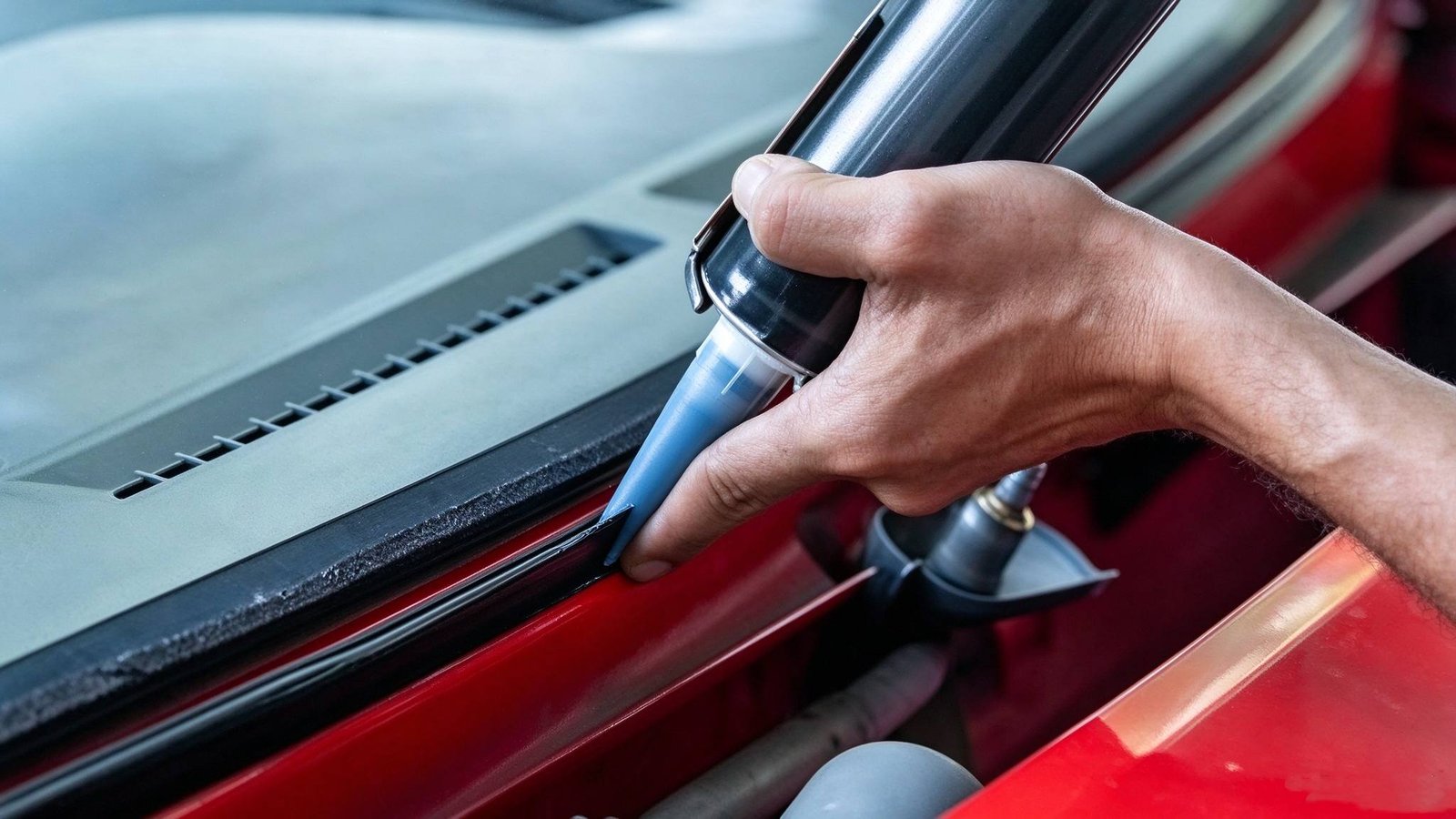
Engineering Comparison: Mechanical Gasket-Set vs. Structural Direct Glazing
The technical matrix below compares functional characteristics between vintage gasket systems and modern polyurethane direct glazing.
| Engineering Parameter | Classic Gasket-Set System (Pre-1980s) | Modern Direct-Glazed System (Current OEM) |
|---|---|---|
| Structural Contribution | 0% (Completely floating non-structural) | Up to 30% unibody torsional rigidity |
| Installation Methodology | Rope-in pull procedure + Bedding compound | Chemical priming + V-notch polyurethane bead |
| Airbag Retention Safety | Unsafe (Glass pops out under 5 kPa) | FMVSS 212 compliant (Lap shear > 5.0 MPa) |
| Aerodynamic Profile | Raised rubber lip (High drag & wind roar) | Flush glass decking (Low drag & quiet cabin) |
| Corrosion Resistance | Prone to trapped water & pinchweld rust | Hermetic elastomeric seal protects metal |
Typical Application Scenarios: Restoration Realities & Conversion Pitfalls
Examining real-world workshop scenarios demonstrates why installers must never confuse gasket bedding compounds with structural polyurethanes.
Scenario A: Failed Conversion on Restored 1968 Fastback
A custom rod shop attempted to convert a 1968 classic coupe from a rubber gasket to a flush-mount direct-glazed windshield. The technician glued vintage glass directly to unibody pinchwelds with polyurethane.
During track testing, hard chassis cornering twisted the vintage body. The classic windshield opening lacked modern hydroformed boxed reinforcement. Chassis torsion transmitted directly into the glass, cracking the laminated windshield. Restorers reinstalled a factory-style rubber gasket windshield replacement with proper bedding compound.
Scenario B: Eliminating Chronic Leaks on Vintage Commercial Bus
A transit authority operated vintage tour buses with rubber-gasketed front split windshields that leaked heavily during rainstorms. Previous mechanics had pumped bathroom silicone into rubber lips, accelerating corrosion.
Specialist restorers extracted the glass and scraped away old silicone. They treated pinchweld rust with epoxy primer. Technicians then installed fresh EPDM gaskets using rope-in cords, pumping non-hardening butyl bedding compound between rubber lips and metal flanges. The bus fleet achieved complete water tightness.
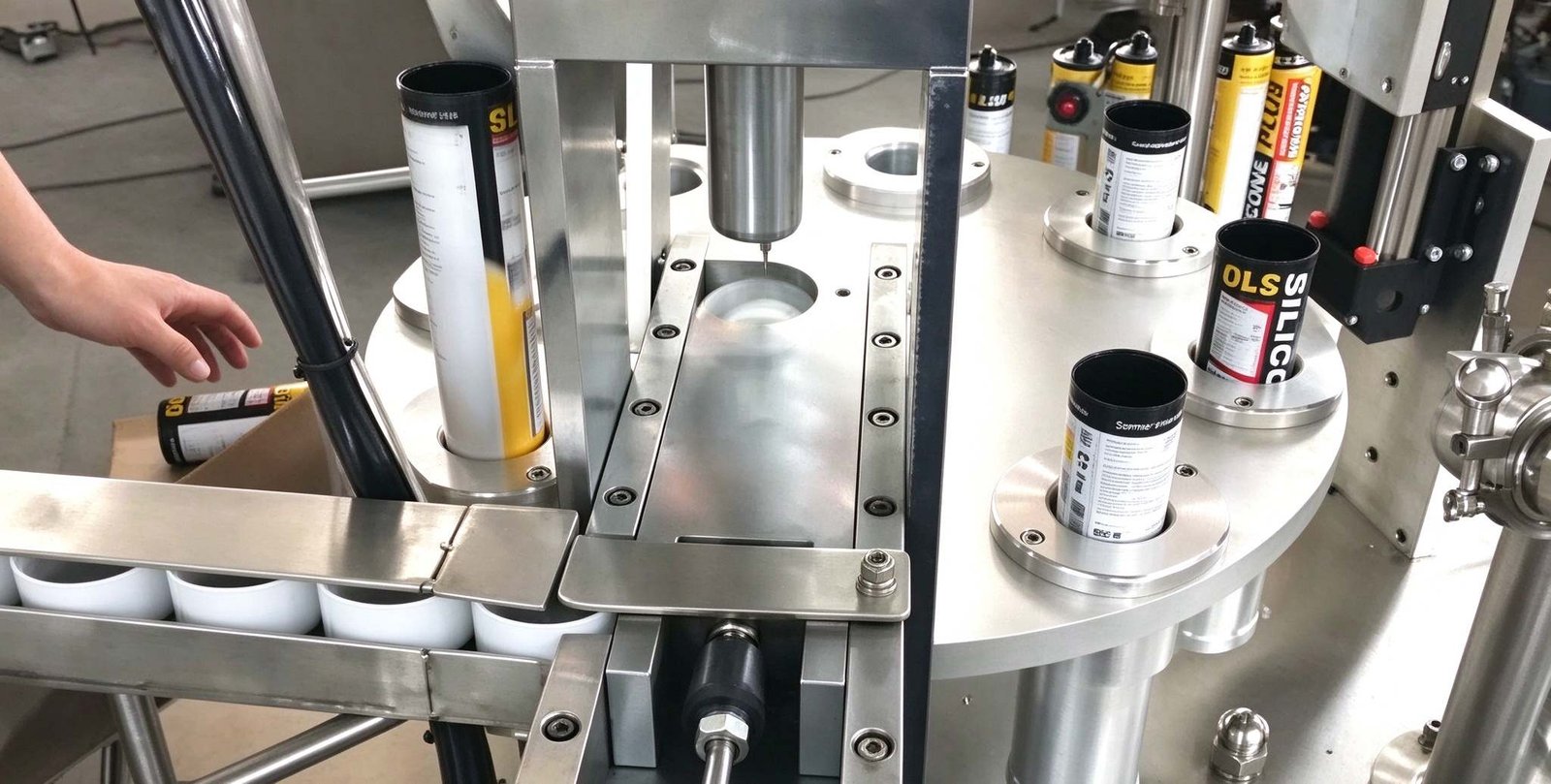
Standard Operating Procedure: The Classic Rope-In Installation SOP
Executing a leak-free vintage gasket installation requires mastering the traditional rope-in pull technique.
Step 1: Pinchweld Inspection and Rust Neutralization
Inspect bare steel pinchweld flanges thoroughly. Grind away all surface corrosion, apply an active zinc-rich epoxy primer, and verify uniform flange thickness around perimeter apertures.
Step 2: Rubber Gasket Pre-Fitting to Glass
Fit new EPDM rubber gaskets onto clean outer edges of laminated glass assemblies. Ensure molded rubber corners seat tightly without puckering or stretching.
Step 3: Cord Wrapping and Non-Hardening Bedding Seal
Insert a strong 5mm nylon pull cord into outer pinchweld gasket grooves, crossing cord ends at the bottom center. Inject continuous non-hardening butyl bedding sealer beads into pinchweld channels.
Step 4: Two-Man Rope-In Decking Procedure
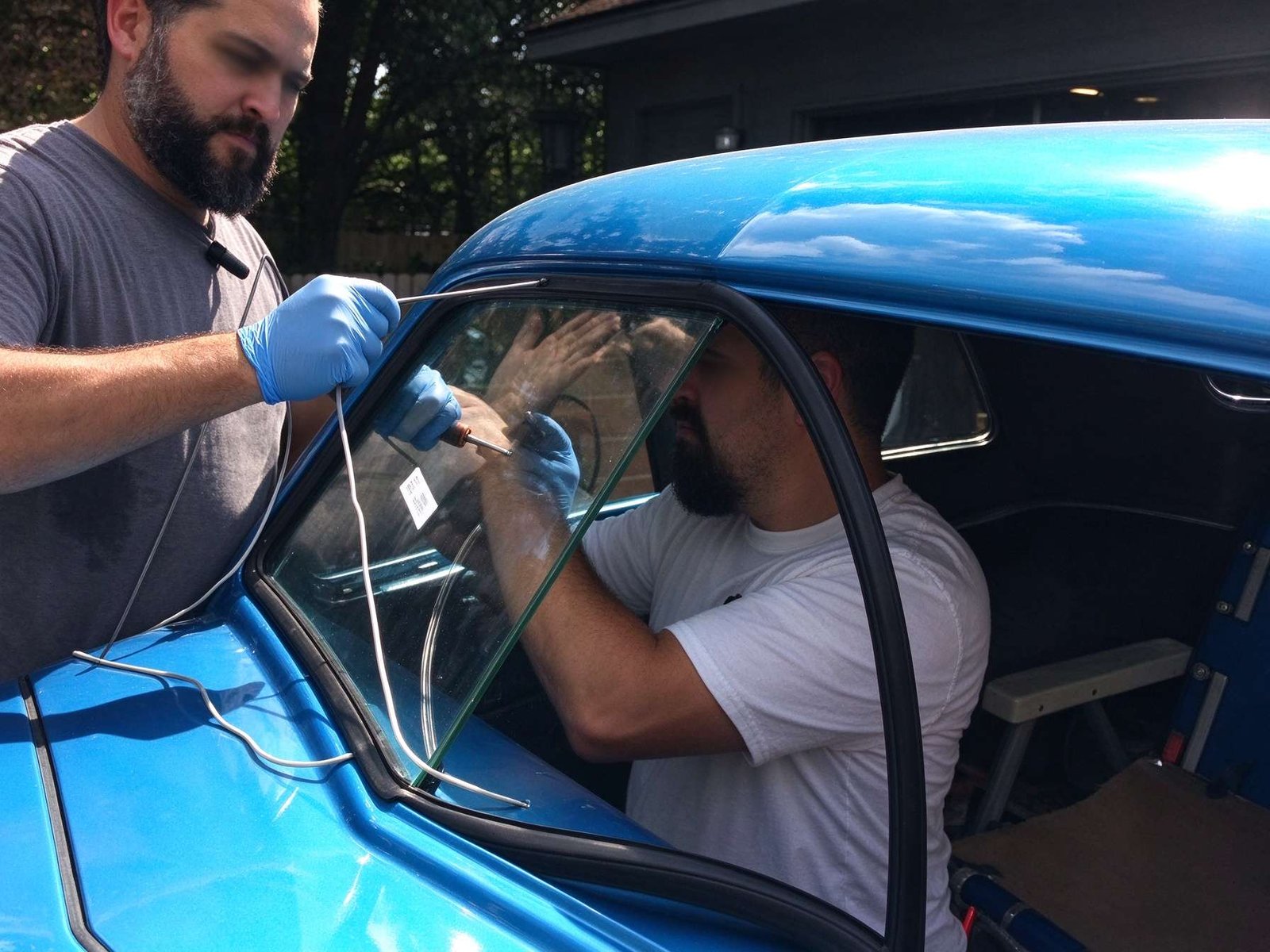
Position glass assemblies against vehicle frames. While an assistant applies gentle hand pressure outside, interior technicians slowly pull nylon cords perpendicular to glass surfaces.
Nylon cords peel rubber lips smoothly over steel flanges, locking gaskets in place around entire window perimeters.
Step 5: Perimeter Bedding Sealing and Lockstrip Insertion
Inject non-hardening windscreen sealer between outer rubber lips and painted bodywork with blunt nozzles. When gaskets feature center locking keyways, feed rubber lockstrips into place using specialized eyelet tools.
Engineer’s Technical Trade-Offs: Boundaries of Gasket vs. Glazed Systems
Automotive engineers must respect physical constraints of both glazing philosophies during restoration and fabrication.
- Modern Airbag Deployment Hazard: Never attempt to retrofit a modern direct-glazed windshield with a rubber gasket; glass will blow out during passenger airbag firing.
- Classic Chassis Flex Limitations: Converting vintage vehicles to direct glazing requires adding substantial unibody gusseting and roll-cage bracing to prevent torsional glass fracture.
- Bedding Sealant Chemistry: Gasket installations require permanently flexible polybutene or butyl bedding sealers; polyurethane should never be used as a gasket gap filler.
Frequently Asked Questions: Windshield Mounting Systems
Can you convert a vintage rubber gasket windshield to modern direct glazing?
Technically possible on custom resto-mods, but highly hazardous without structural chassis stiffening. Classic unibodies flex significantly during hard driving. Without flexible rubber gaskets to absorb movement, rigid polyurethane direct glazing transfers unibody torsional stress directly into the glass, causing sudden stress cracks.
What sealant should be used with rubber gasket windshields?
Always use a non-hardening, permanently flexible butyl or polybutene bedding compound. Never use silicone, which causes corrosion and paint fish-eyes, nor polyurethane, which bonds the rubber permanently to the metal and prevents future gasket servicing.
Why did automakers switch entirely from rubber gaskets to direct glazing?
Automakers transitioned to direct glazing to improve crash safety and reduce vehicle weight. Direct glazing bonds the windshield as a structural shear panel, increasing roof crush strength under FMVSS 216 by up to 30%, retaining glass during passenger airbag deployment, and eliminating exterior aerodynamic wind drag.
Engineering Summary: Choosing the Correct Mounting Philosophy
Selecting between gasket-set and direct-glazed windshields is an engineering determination rooted in chassis stiffness and crashworthiness. By adhering to authentic rope-in techniques for vintage restorations and deploying high-modulus polyurethane direct glazing for modern unibodies, technicians preserve vehicle integrity and occupant safety.
Authored by ChemPU Automotive Application Engineering Team
Specializing in OEM direct-glazing polyurethane formulation, crash-retention validation per FMVSS 212 standards, and high-performance structural elastomeric bonding solutions for global automotive manufacturers.
Quality Certification: ISO 9001 / IATF 16949 Certified Adhesive Manufacturing
Source Certified OEM Direct Glazing Adhesives & Restoration Sealants
Partner with ChemPU, an ISO 9001 and IATF 16949 certified Chinese manufacturer. We provide high-modulus polyurethane direct glazing adhesives, butyl bedding compounds, and private label cartridges for international distributors and fleet repair networks.
Direct WhatsApp Technical Inquiry: +86 15216655520

