
Collision repairers and body technicians often encounter loose bumper fascias, rattling fender liners, and detached exterior badges. Securing automotive exterior trim requires selecting OEM-grade plastic rivets and advanced acrylic foam bonding tapes engineered for dynamic road loads.
Substandard fasteners crack in sub-zero winter temperatures, dropping splash shields onto highways. Similarly, using household super glues on car emblems discolors factory clearcoats and releases under automated car wash pressures. Understanding automotive fastening polymers ensures long-term exterior durability.
Key Takeaways: Exterior Trim Fasteners and Adhesives
- Polymer Material Selection: Automotive blind fasteners require Nylon 6/6 or Polyoxymethylene (POM) to resist vibration fatigue and cold brittleness down to -40°C.
- Viscoelastic Stress Dissipation: Closed-cell acrylic foam tapes absorb differential thermal expansion between plastic letters and automotive sheet metal.
- Clearcoat Chemical Safety: Cyanoacrylate glues cause irreversible paint frosting; structural foam tapes and elastomeric sealants protect exterior paint finishes.
- Surface Energy Thresholds: Low-surface-energy (LSE) plastic trim moldings require adhesion promoters before tape application to ensure bond longevity.
Plastic Rivets and Retainers: Materials Science of Automotive Fasteners
Modern vehicles utilize dozens of blind expansion fasteners across front bumpers, wheelhouse arch liners, and underbody aerodynamic belly pans. These components endure constant road grit, wheel spray, and chassis vibration.
Nylon 6/6 vs. Polyoxymethylene (POM) Fasteners
Original equipment manufacturers mandate Nylon 6/6 (polyamide) or polyoxymethylene (POM/acetal) for automotive plastic rivets. Nylon 6/6 provides superior tensile elongation, allowing expanding legs to flare securely without fracturing inside blind holes.
POM fasteners exhibit high dimensional rigidity and low friction coefficients, making them ideal for reusable center-pin push rivets. In contrast, cheap aftermarket polypropylene (PP) clips turn brittle in cold weather, snapping under minor curb impacts.
Vibration Damping and Corrosion Prevention
Unlike traditional steel sheet-metal screws, engineering-grade plastic rivets eliminate galvanic corrosion when fastening plastic splash guards to aluminum or e-coated steel fenders. The natural elasticity of nylon dampens high-frequency road vibrations, preventing mounting holes from wallowing out.
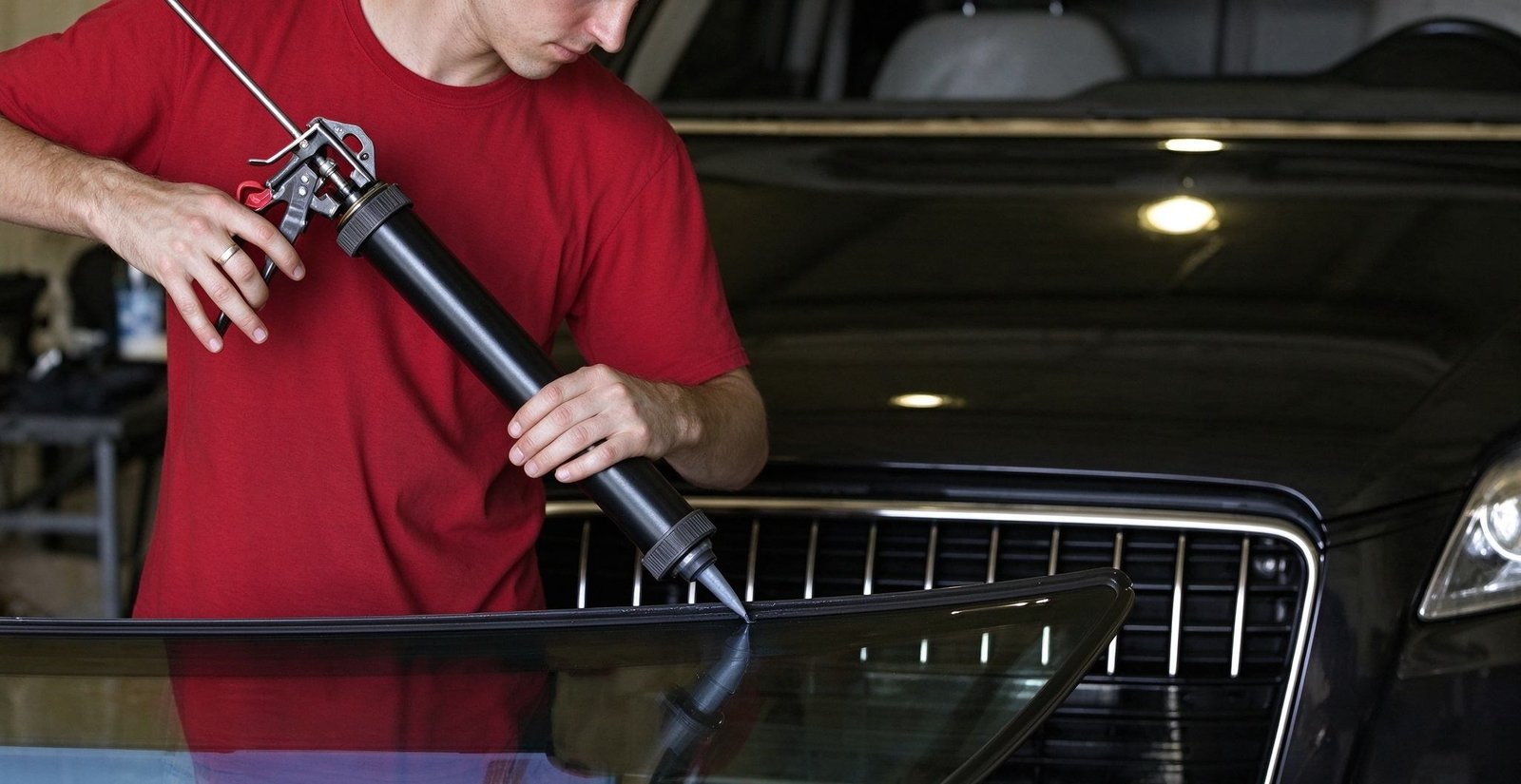
Figure 1: Automotive structural adhesive and exterior trim mounting in certified vehicle restoration facility.
Performance Benchmark Matrix: Exterior Trim Fastening Technologies
The following laboratory parameters compare mechanical plastic fasteners against chemical adhesive solutions for exterior vehicle trim:
| Fastening Technology | Primary Substrates | Operating Temperature | Automotive Car Wash Safety |
|---|---|---|---|
| Nylon 6/6 Plastic Rivets | Bumper Covers, Fender Liners, Shields | -40°C to +115°C | 100% Secure Mechanical Interlock |
| Acrylic Foam Tape (Viscoelastic) | Emblems, Nameplates, Side Body Moldings | -40°C to +120°C | Resists 100-Bar High Pressure Jets |
| Elastomeric MS Polymer Adhesive | Spoilers, Body Kits, Window Louvers | -40°C to +100°C | High Shear & Weatherproof Sealing |
| Cyanoacrylate (Super Glue) | Unsuitable for Exterior Automotive | Fails Thermal Cycling | Shatters Under Water Jet Impact |
Mounting Badges and Emblems: Acrylic Foam Tape vs. Liquid Trim Adhesives
Re-badging vehicles after repainting or collision repair requires careful adhesive engineering. Automotive emblems experience extreme solar heating and shearing forces during automated car washes.
Viscoelastic Properties of Automotive Acrylic Foam Tape
Automotive OEMs utilize closed-cell acrylic foam tape for factory nameplates. Unlike conventional thin double-sided tapes, acrylic foam features viscoelastic behavior, acting simultaneously as an elastic solid and a viscous liquid.
When vehicle sheet metal expands in summer heat, the foam core elongates and redistributes dynamic shear stress across the entire bondline. For heavier ground-effects moldings and roof spoilers, shops deploy hybrid ms polymer sealants to achieve extreme gap-filling adhesion.
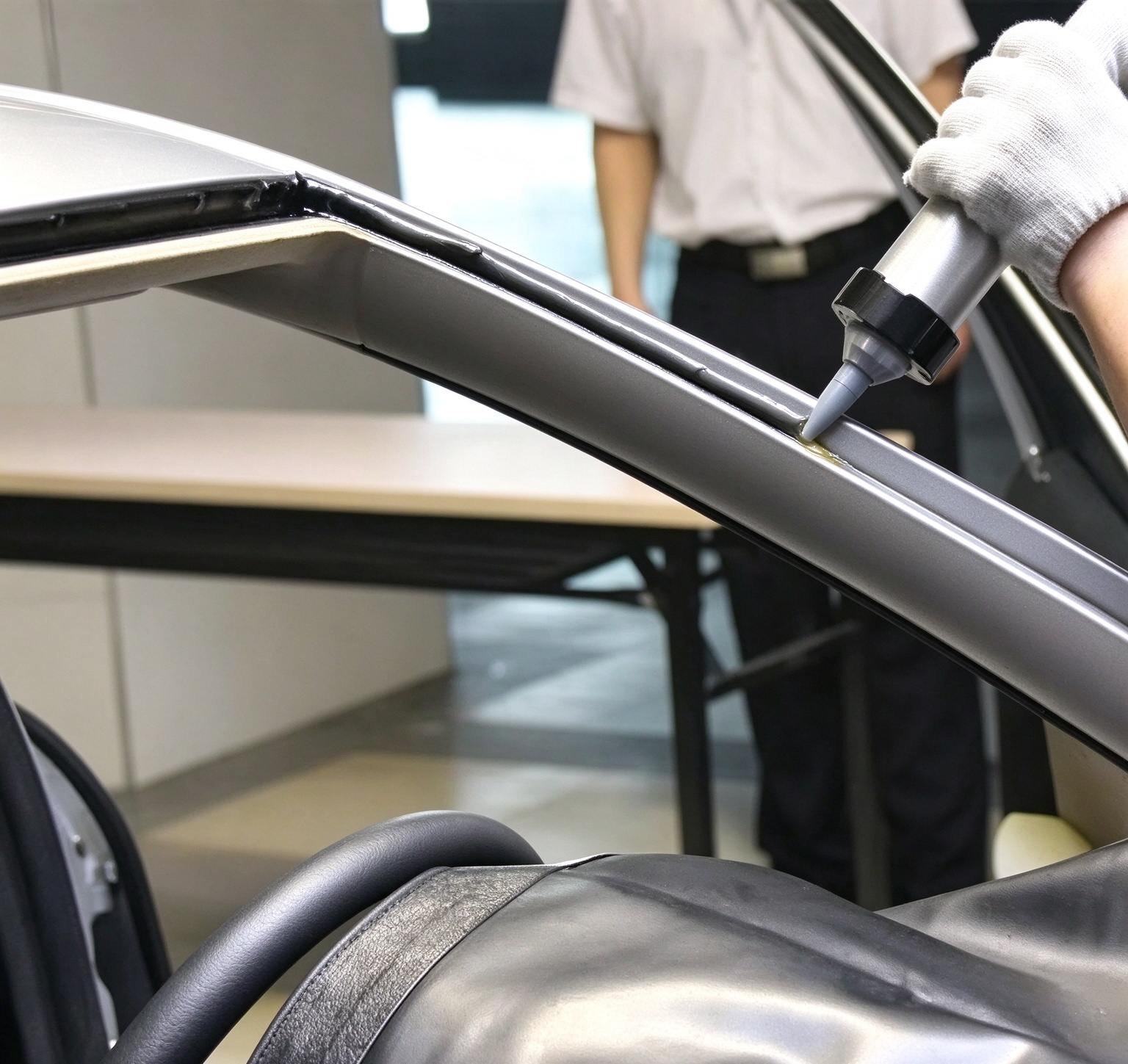
Figure 2: Uniform adhesive bead dispensing securing automotive body moldings and exterior perimeter components.
The Danger of Cyanoacrylate Super Glue on Car Paint
Untrained technicians occasionally apply liquid cyanoacrylate super glue to re-attach loose vehicle badges. This causes irreversible clearcoat damage.
As cyanoacrylate cures, outgassing monomer vapors react with atmospheric moisture, depositing a permanent white powdery haze around the badge known as blooming. Furthermore, the rigid glue bond cracks under thermal cycling, allowing the badge to blow off at highway speeds.
Standard Operating Procedure: Emblem Alignment and Blind Rivet Installation
Achieving factory-aligned emblem mounting and rattle-free fastener retention demands a disciplined workflow:
- Non-Destructive Badge Removal: Warm the existing badge with a heat gun at 50°C. Slice through the softened foam tape using braided fishing line or dental floss. Strip residual adhesive using a specialized rotary rubber eraser wheel on an electric drill.
- Surface Decontamination and Promotion: Degrease the automotive clearcoat with a 50/50 mixture of isopropyl alcohol and water. On low-surface-energy plastic trim moldings, apply a thin coat of adhesion promoter and allow 90 seconds of flash-off time.
- Precision Template Placement: Apply masking tape along the lower badge edge to establish reference guidelines. Apply pre-cut acrylic foam tape to the clean badge backing, align with the registration tape, and apply firm 15 psi roller pressure across each letter.
- Bumper Rivet Fastening: Align fender liners and splash guards with mounting chassis holes. Insert high-strength Nylon 6/6 plastic rivets using a dedicated plastic rivet hand tool. Pull until the mandrel snaps cleanly, locking the flared legs firmly against the inner body panel.
Typical Application Scenario: Luxury Bumper Splash Shield Detachment on Highway
Case Overview: Catastrophic Underbody Splash Shield Failure at High Speed
Incident Profile: A customer driving a luxury sedan experienced sudden underbody grinding at 120 km/h on a highway. The forward belly pan had dropped onto the pavement, shredding the plastic guard and tearing adjacent fender liner mountings.
Root Cause Investigation: Laboratory examination revealed an independent repair shop had reinstalled the belly pan using brittle generic polypropylene hardware store clips. During sub-zero winter driving, the low-grade clips crystallized and fractured under high-speed aerodynamic downforce pressures.
Corrective Engineering Protocol: Technicians replaced the damaged shield and secured all mounting locations using certified OEM Nylon 6/6 plastic rivets. Subsequent road testing in severe winter conditions confirmed zero fastener fatigue and complete aerodynamic retention.
Frequently Asked Questions: Automotive Fasteners & Trim Adhesives
Why does super glue ruin car paint when mounting emblems?
Cyanoacrylate adhesives release volatile monomer vapors during curing that react with atmospheric humidity, causing white powdery blooming on glossy clearcoat. Furthermore, super glue forms an inflexible bond that shatters as plastic emblems and metal body panels expand at different thermal rates. Always use closed-cell acrylic foam tape for vehicle emblems.
What is the practical difference between nylon and POM plastic rivets?
Nylon 6/6 exhibits excellent tensile flexibility and high impact strength, making it the premier material for blind expanding rivets that lock permanently behind sheet metal. Polyoxymethylene (POM/acetal) provides higher stiffness and dimensional recovery, excelling in push-pin retainers that require repeated removal during routine vehicle maintenance.
How much pressure is required to activate automotive acrylic foam tape?
Automotive acrylic foam tapes feature pressure-sensitive adhesives (PSA) that require roughly 15 psi (100 kPa) of direct roller or hand pressure. Applying firm pressure expels air bubbles and forces the viscoelastic adhesive into microscopic paint surface pores, establishing maximum ultimate bond strength within 24 hours.
Engineering Summary: Ensuring Total Exterior Vehicle Durability
Maintaining factory exterior integrity requires matching fastening hardware to dynamic road stresses. Utilizing certified Nylon 6/6 plastic rivets secures underbody panels against road debris, while closed-cell viscoelastic acrylic foam tapes protect delicate automotive clearcoats. Following disciplined surface preparation and pressure activation ensures lasting exterior fit and finish.
ChemPU Automotive Exterior Fastening & Bonding Group
Automotive Polyurethane, Polymer & Trim Adhesives Specialist
ChemPU manufactures certified direct glazing polyurethane adhesives, hybrid MS polymers, and specialty elastomeric sealants under ISO 9001 and IATF 16949 standards. Our engineering team assists automotive refurbishers, fleet upfitters, and global distributors with certified technical data sheets and responsive consultation via WhatsApp (+86 15216655520).
Source Certified OEM Direct Glazing Polyurethane Adhesives
Partner with ChemPU, an ISO 9001 and IATF 16949 certified Chinese manufacturer. We provide high-modulus polyurethane direct glazing adhesives, black glass primers, and private label cartridges for international distributors and fleet repair networks.
Direct WhatsApp Technical Inquiry: +86 15216655520

