
Automotive interior trimmers and restoration workshops frequently battle sagging roof fabrics, peeling door cards, and detached acoustic carpeting. Selecting a professional-grade auto upholstery glue requires understanding the brutal thermal dynamics operating inside closed passenger cabins.
During summer solar exposure, dark vehicle roof skins quickly exceed 85°C (185°F). Standard multipurpose aerosol adhesives soften under moderate heat, allowing gravity and cabin vibration to pull heavy headliner textiles away from backing boards. Deploying heat-resistant polymer adhesives prevents costly warranty rework.
Key Takeaways: High-Temperature Auto Upholstery Bonding
- Thermal Creep Threshold: Automotive headliner adhesives must withstand continuous operating temperatures up to 120°C (248°F) without bond creep.
- Polymer Chemistry Match: Modified polychloroprene contact adhesives and 2K polyurethane dispersions outperform consumer SBR spray glues in shear endurance.
- Substrate Preparation: Technicians must mechanically scrape away crumbly, oxidized polyurethane foam backing before attempting new fabric adhesion.
- Bleed-Through Prevention: Controlled web spray patterns and proper flash-off times eliminate solvent strike-through on thin alcantara and suede textiles.
The Summer Heat Trap: Why Consumer Craft Adhesives Fail in Vehicles
Parked vehicles act as efficient solar greenhouses. Solar radiant energy enters through laminated windshields and tempered side windows, heating exterior sheet metal and interior air.
Thermal Softening of Styrene-Butadiene Rubber (SBR)
Common household spray adhesives utilize styrene-butadiene rubber (SBR) or low-molecular-weight hydrocarbon resins. These thermoplastic polymers exhibit a glass transition temperature (Tg) below 50°C (122°F).
When rooftop temperatures climb during July afternoons, SBR adhesive bonds melt and undergo severe viscous shear creep. Downward gravity combined with road vibrations causes immediate headliner fabric delamination.
Crosslinked Polychloroprene and Polyurethane Resilience
In contrast, industrial-grade auto upholstery glue incorporates high-strength polychloroprene (neoprene) or reactive polyurethane dispersions. These chemistries are fortified with heat-reactive phenolic resins and zinc oxide crosslinkers.
The resulting thermosetting network delivers robust heat resistance up to 120°C, detailed in our high-temperature automotive adhesive technical data. The cured film maintains elastomeric flexibility, absorbing dynamic chassis flex without hardening or cracking.
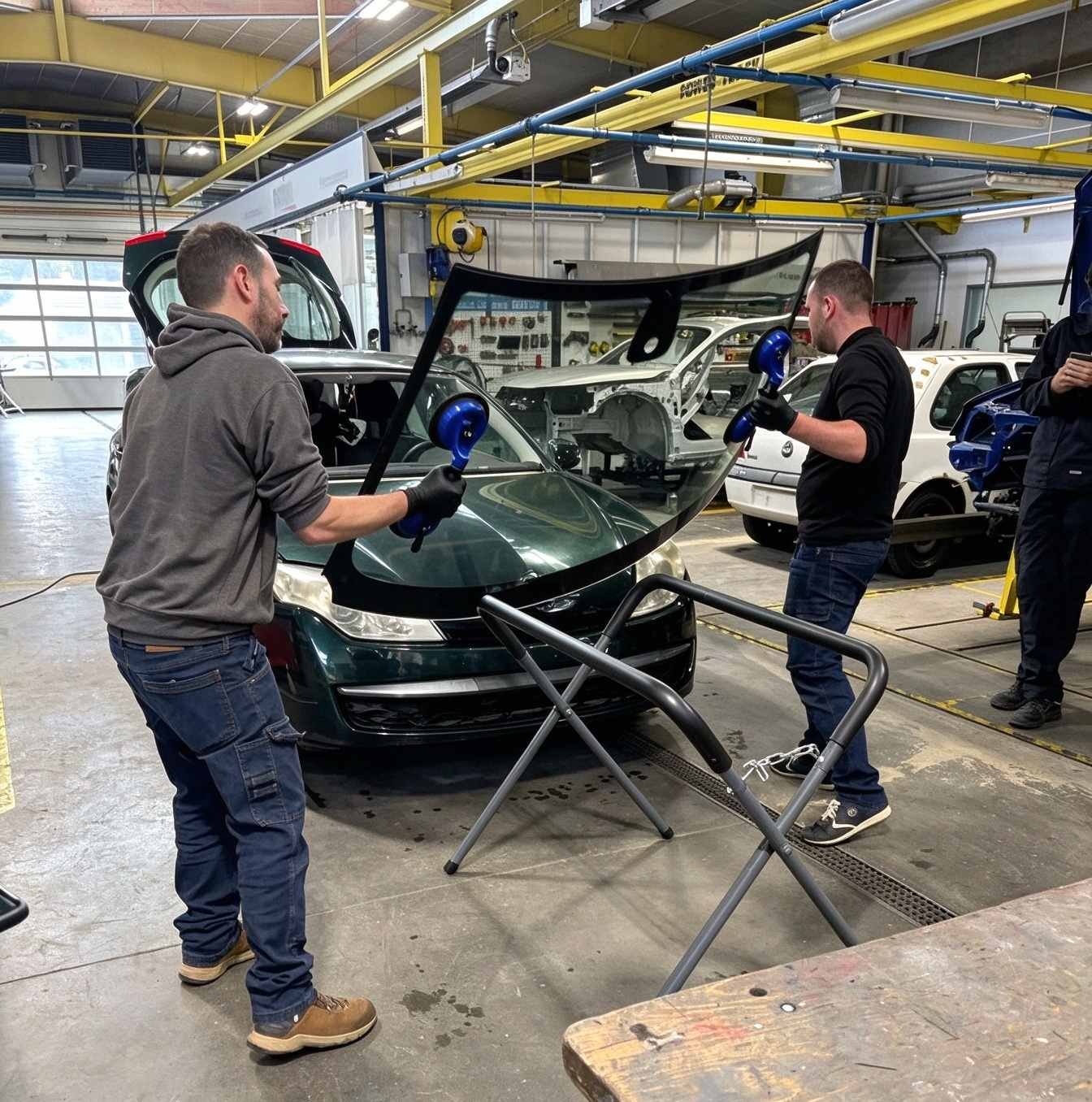
Figure 1: Vehicle cabin roof liner alignment and glass assembly, highlighting the severe thermal environment beneath vehicle roofs.
Performance Benchmark Matrix: Automotive Trim Adhesive Formulations
The following laboratory metrics compare professional trim shop adhesives against general retail craft aerosols:
| Performance Parameter | High-Temp Polychloroprene Contact Adhesive | 2K Waterborne Polyurethane Dispersion | Consumer SBR Craft Spray |
|---|---|---|---|
| Heat Creep Limit (SAE J1524) | Up to 120°C (248°F) | Up to 110°C (230°F) | 50°C – 60°C (Fails in Summer) |
| Initial Green Tack | Instant Aggressive Grab | Moderate (Requires Vacuum/Press) | Low to Moderate |
| Substrate Adhesion | Fiberglass, ABS, Foam, Leather | Molded Composite, Vinyl, Textiles | Paper, Cardboard, Light Foam Only |
| VOC and Odor Profile | Solvent-Based (Requires Ventilation) | Near-Zero VOC (Odorless) | Moderate Aerosol Solvents |
| Plasticizer Resistance | High (Resists Vinyl Migration) | Excellent | Turns Gummy from Vinyl Oils |
| Automotive Workshop Role | Restoration & Custom Re-Trimming | OEM Automated Press Lines | Light Craft Projects Only |
Standard Operating Procedure: Headliner Board Preparation and Web Spraying
Over 80% of headliner replacement failures originate from improper surface decontamination. Follow this structured workshop procedure:
Substrate Stripping and Foam Decontamination
When factory headliners fail, the original polyester fabric detaches because the open-cell polyurethane foam backing has oxidized into crumbly orange powder. Spraying new adhesive over old foam ensures immediate failure.
Technicians must strip away all residual foam down to the bare fiberglass, cardboard, or resin substrate board. Use a stiff nylon bristle brush or a rotary scuffing pad, followed by oil-free compressed air.
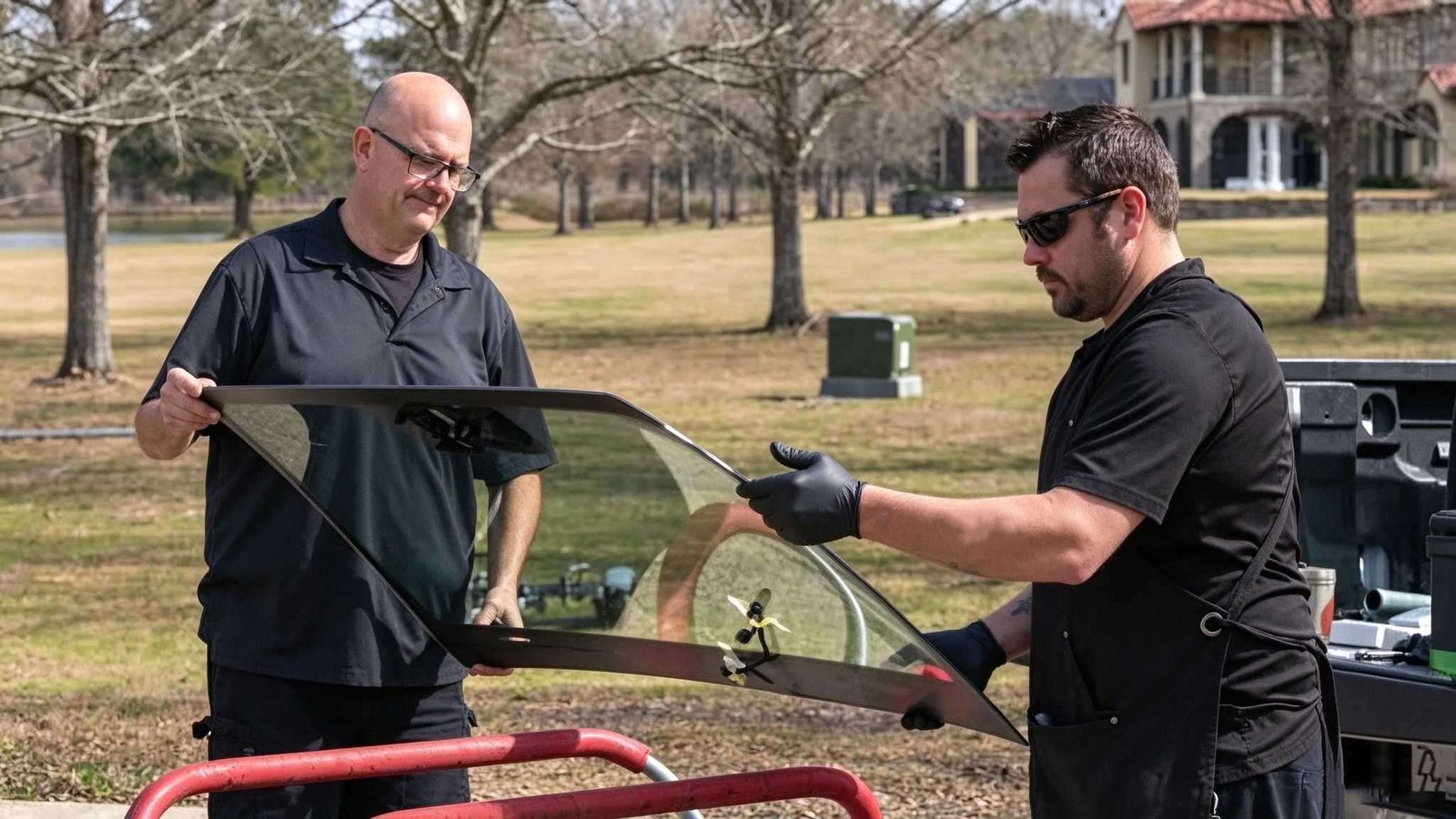
Figure 2: Quality verification of interior backing substrate and cabin perimeter before applying high-temperature adhesives.
Dual-Sided Web Spraying and Flash-Off Control
Dispense heavy-duty auto upholstery glue using an adjustable fan-tip nozzle in an overlapping web pattern. Apply an even coating to 100% of the substrate board and a matching coat to the foam backing of the replacement fabric.
Allow solvents to flash off for 3 to 5 minutes at 21°C. The adhesive surface must feel aggressively tacky without transferring wet resin to a clean nitrile glove. Smooth the fabric from center outward using gentle palm pressure to prevent wrinkles.
Acoustic Floor Carpet and Trunk Lining Bonding
Automotive floor pans, transmission tunnels, and luggage compartments demand high shear bonding for heavy molded carpeting and mass-loaded acoustic barriers. Unlike roof fabrics subjected to continuous gravitational pull, floor carpeting must resist foot-traffic abrasion and moisture ingress.
Deploying a high-solids auto upholstery glue across cleaned floor steel creates a damp-proof barrier. The flexible cured contact adhesive bond prevents carpet slippage while damping road noise resonance across floor sheet metal.
Typical Application Scenario: Luxury SUV Headliner Sagging in Arid Climates
Case Overview: Premature Roof Fabric Droop on Fleet Luxury Transporters
Incident Profile: An automotive upholstery refurbishment shop in Dubai re-trimmed five luxury transport vans with premium alcantara fabric. Within four weeks of summer operation in 45°C ambient desert conditions, the ceiling fabrics sagged across rear passenger zones.
Root Cause Investigation: Laboratory thermal peel testing revealed the technician utilized a generic retail multipurpose aerosol adhesive rated to only 55°C. Solar radiation absorbed by the vehicle dark roof skin created interior ceiling temperatures exceeding 90°C. The thermoplastic adhesive melted, suffering catastrophic shear creep under the weight of the fabric.
Corrective Engineering Protocol: The workshop stripped the boards, removed melted adhesive with solvent degreasers, and re-trimmed using certified high-temperature auto upholstery glue rated to 120°C. Subsequent thermal oven exposure at 100°C confirmed zero bond movement and lasting dimensional stability.
Frequently Asked Questions: Automotive Interior Trim Adhesives
Can you use multipurpose retail spray adhesive for automotive headliners?
No. Standard multipurpose retail spray glues are designed for paper, cardboard, and light hobby crafts. They soften at temperatures between 45°C and 55°C. Because automotive ceilings routinely exceed 85°C on sunny days, retail spray glues melt rapidly, causing the headliner to droop within weeks.
How do you prevent adhesive bleed-through on thin headliner textiles?
Adhesive strike-through occurs when technicians spray heavy liquid pools or press wet fabric before solvents evaporate. Maintain a 25 cm spray distance using a wide web-pattern nozzle. Allow a full 3 to 5-minute flash-off time so solvents vent completely before joining surfaces together.
Can you spray auto upholstery glue directly over old foam residue?
Never. Degraded polyurethane foam contains microscopic fissures and loose powder. Spraying fresh adhesive over uncleaned foam bonds only to the crumbling powder layer, resulting in rapid detachment. Always mechanically scrape the substrate board clean down to solid composite backing.
Engineering Summary: Selecting Industrial-Grade Interior Adhesives
Vehicle interior trim restoration demands adhesives built for environmental extremes. Deploying a certified auto upholstery glue with high thermal creep resistance protects against severe rooftop heat, plasticizer migration, and continuous road vibration. Trim professionals who combine disciplined foam stripping with dual-sided web spraying achieve OEM-grade finish and lifelong durability.
ChemPU Automotive Interior Materials Group
Automotive Polyurethane & Trim Adhesives Specialist
ChemPU manufactures certified direct glazing polyurethane sealants and industrial-grade high-temperature contact adhesives under ISO 9001 and IATF 16949 standards. Our engineering team assists automotive refurbishers, fleet upfitters, and wholesale distributors worldwide with certified technical data sheets and responsive consultation via WhatsApp (+86 15216655520).
Source Certified OEM Direct Glazing Polyurethane Adhesives
Partner with ChemPU, an ISO 9001 and IATF 16949 certified Chinese manufacturer. We provide high-modulus polyurethane direct glazing adhesives, black glass primers, and private label cartridges for international distributors and fleet repair networks.
Direct WhatsApp Technical Inquiry: +86 15216655520

